Introduction
As a classic positive-displacement fluid transfer device, reciprocating pumps deliver fixed-volume fluid at stable pressure through periodic back-and-forth movement of plunger.
Many industrial purchasers and mechanical engineers look into the working principle of reciprocating pump before equipment procurement for chemical, oil & gas and food processing industries. This guide elaborates on core structure, full working cycle, mainstream pump types and practical industrial applications for your reference.
Basic Structure & Core Working Principle of Reciprocating Pump
Main Component
- Fluid End: It holds and displaces pumped liquid, split into a large suction chamber and smaller discharge chamber equipped with matched suction and discharge valves. Valves open and close with plunger travel to transfer pressurized liquid between chambers.
- Suction (Inlet) Pipe: Acts as the liquid entry port, feeding medium gradually into the fluid end until the inner chamber fills to full volumetric capacity.
- Plunger: The key displacement component. It retracts to let liquid fill the suction chamber and advances forward to squeeze liquid out once the chamber is full, driving cyclic fluid transfer.
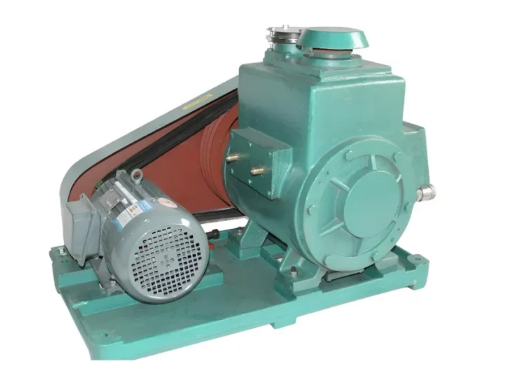
- Crankshaft: Fitted with an end sheave linked via V-belts to the motor’s small pulley; motor rotation spins the crankshaft to power reciprocating movement.
- Discharge Pipe: Serves as the delivery passage, conveying pressurized fluid from the pump’s discharge chamber to the designated destination.
- Suction & Discharge Piping Assembly: The complete pipeline system that governs all inbound and outbound fluid flow into and out of the two pump chambers.
Fundamental Working Principle
A reciprocating pump is a positive displacement device that transfers fluid energy through the back-and-forth reciprocating motion of its plunger.
It operates by periodically changing the volume of the sealed cylinder cavity: the expanding cavity creates negative pressure to suck in fluid, while the compressed cavity builds pressure to discharge the medium outward.
Its delivery flow is mainly determined by piston displacement, maintaining stable output regardless of minor pressure fluctuations.
Complete Working Cycle of Reciprocating Pump
Phase 1: Intake Phase
Crankshaft pulls the plunger backward, expanding cylinder volume and lowering internal pressure. The suction valve opens while the discharge valve stays shut; fluid flows into the suction chamber via inlet piping under pressure difference.
Phase 2: Compression & Exhaust Phase
The plunger travels forward after bottom dead center to shrink chamber volume, compressing fluid and boosting internal pressure. The suction valve closes, the discharge valve pops open, and pressurized fluid is delivered out through discharge pipelines.
Phase 3: Expansion Phase
Before the suction valve opens, a small quantity of high-pressure medium remains inside the clearance volume, the tiny gap between the plunger at top dead center and the cylinder head. This trapped residual fluid expands as the plunger retracts again, further reducing internal cylinder pressure to prepare for the next intake stroke.
Common Reciprocating Pump Types & Industrial Applications
Main Classification of Reciprocating Pumps
- Plunger Reciprocating Pump: Solid plunger design for ultra-high-pressure delivery, ideal for hydro-testing and oilfield water injection.
- Diaphragm Reciprocating Pump: Elastic diaphragm isolates piston and transported medium, preventing corrosion and leakage for corrosive/flammable liquid conveyance.
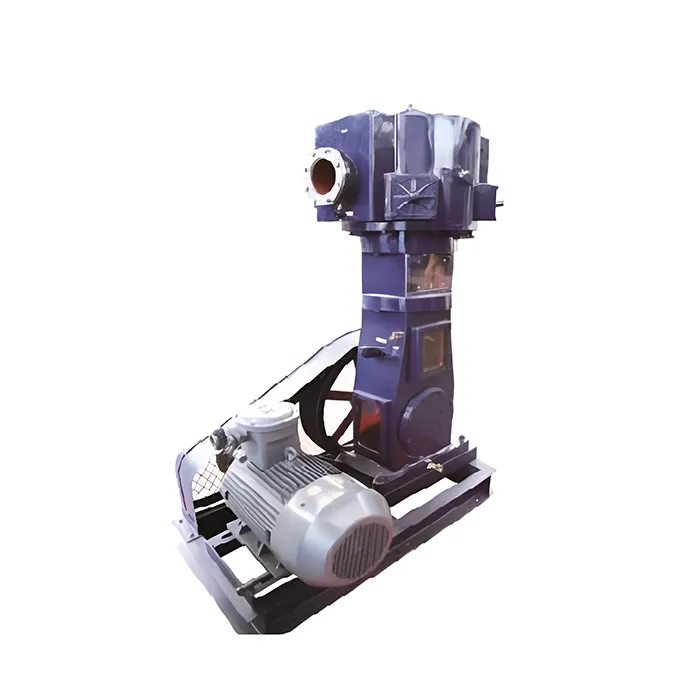
- Oil-Free Vertical Reciprocating Vacuum Pump: Cylinder runs without lubricating oil to eliminate fluid contamination, ideal for food and pharmaceutical production. The vertical structure cuts floor footprint.
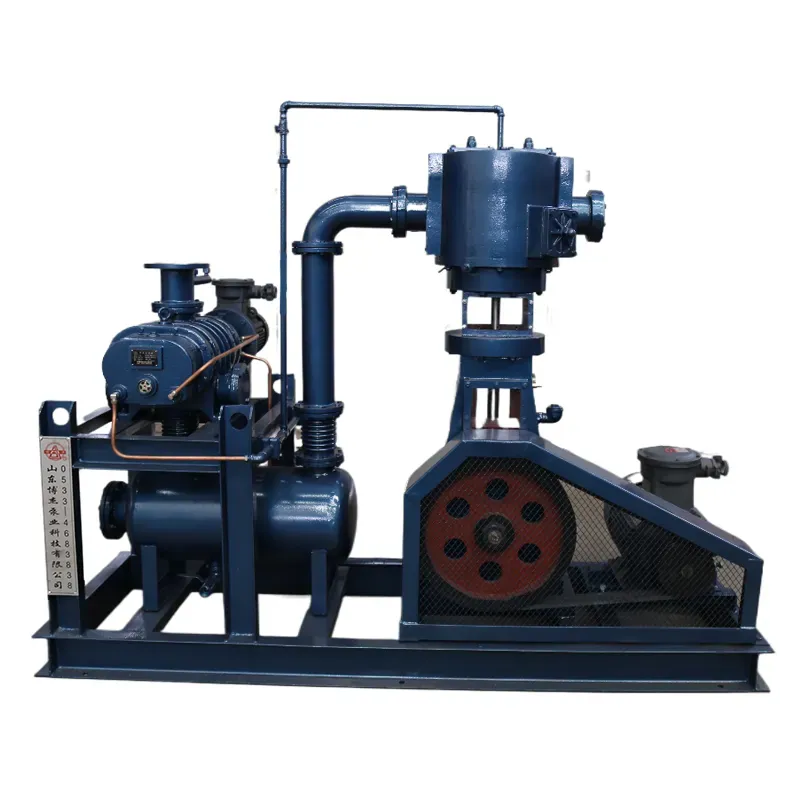
- Steam-Driven Reciprocating Pump: Powered by steam instead of electric motor, preferred for explosive hazardous working sites in refineries.
Key Industry Applications
- Oil & Petrochemical: Crude oil transfer, high-pressure fracturing fluid injection and chemical catalyst dosing.
- Chemical Industry: Vacuum distillation, corrosive solvent conveying and precision chemical metering.
- Food & Pharmaceutical: Freeze-drying vacuum forming, sterile liquid filling and degassing packaging processes.
- Energy & Water Treatment: Boiler feedwater supply and reverse osmosis high-pressure water feeding.
Conclusion
Reciprocating pumps stand out for stable constant flow and high-pressure output, with diversified variants matching different medium and site requirements. Correct pump type selection helps factories cut energy loss and lower long-term maintenance expense.
As a professional pump equipment manufacturer, Bojie Pump‘s pump lineup satisfies diverse industrial application demands. Need reciprocating pump solutions? Contact us for free technical consultation and quotation.