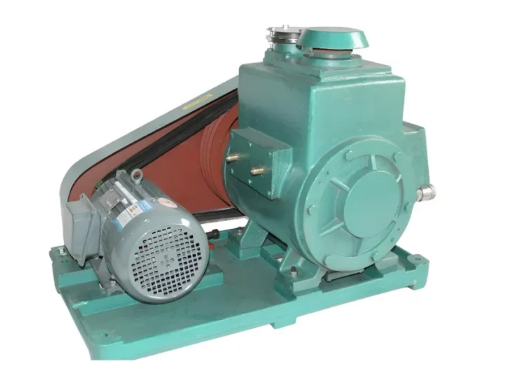
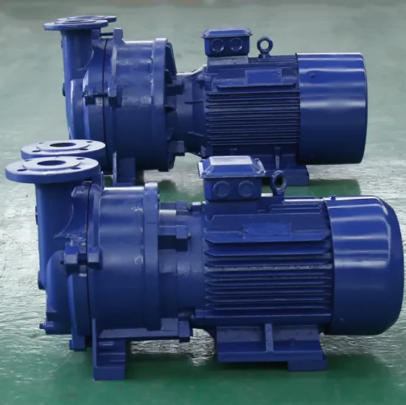
Industrial liquid ring vacuum pumps are widely used when a process must handle wet gases, vapors, condensable loads, or small liquid carryover. Unlike dry vacuum technologies, a liquid ring pump uses a rotating liquid seal to create compression and vacuum, making it reliable in chemical, power, food, mining, water treatment, and general industrial applications.
This selection guide explains the key parameters to review before buying industrial liquid ring vacuum pumps, the step-by-step selection process, and purchasing advice for different industries.
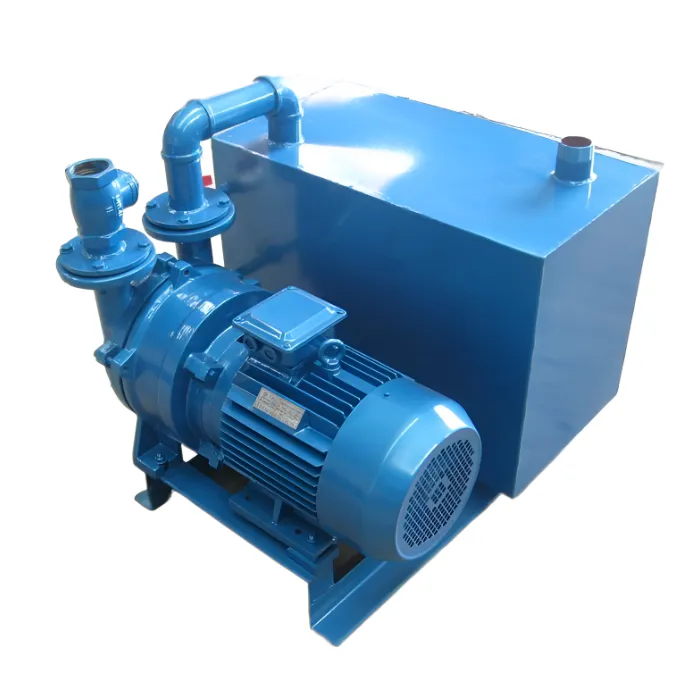
Key Parameters When Selecting a Liquid Ring Vacuum Pump
Pumping Speed or Suction Capacity
Pumping speed, also called suction capacity, defines how much gas the pump must remove at the required operating pressure. It should be calculated from real process demand, not only from pipe size. Consider gas volume, leakage load, vapor load, evacuation time, and whether the process is continuous or batch-based.
Ultimate Vacuum and Operating Pressure
Ultimate vacuum is the lowest pressure the pump can theoretically reach, while operating pressure is the pressure your process actually needs. Choose based on the required working range. A pump that reaches a lower vacuum than needed may cost more, while a pump that cannot maintain the required suction pressure will reduce process stability.
Working Liquid and Temperature
The working liquid creates the liquid ring and removes heat from the pump. Water is common, but other compatible liquids may be used for special gases or process conditions. Working liquid temperature is critical because higher liquid temperature can reduce effective pumping capacity and achievable vacuum.
Gas Composition and Carryover
Liquid ring pumps are often selected because they tolerate wet gas, condensable vapors, and small liquid carryover. However, buyers should still confirm whether the gas is corrosive, explosive, toxic, dusty, or solvent-rich. Material selection, sealing system, separator design, and closed-loop operation may depend on gas composition.
| Parameter | Why It Matters |
| Pumping speed | Determines whether the pump can handle process gas load |
| Operating pressure | Defines the required working vacuum range |
| Ultimate vacuum | Shows the lowest vacuum capability under stated conditions |
| Working liquid | Affects sealing, cooling, corrosion control, and compatibility |
| Liquid temperature | Influences actual capacity and vacuum performance |
| Gas composition | Determines material, sealing, safety, and recovery needs |
Step-by-Step Selection Process
Start by defining the process: what gas is being removed, at what flow rate, and at what pressure. Then confirm whether the gas contains vapor, liquid droplets, dust, solvent, acid, alkali, or other contaminants. Next, decide the required pumping speed and operating pressure, then correct performance expectations for working liquid temperature and site conditions.
After that, choose the pump series, material, motor power, separator, heat exchanger, piping arrangement, and control method. For closed-loop systems, also review working liquid circulation, cooling, discharge handling, and environmental requirements. Finally, compare total cost of ownership, not only pump price.
Single Pump, Compressor, or Vacuum System?
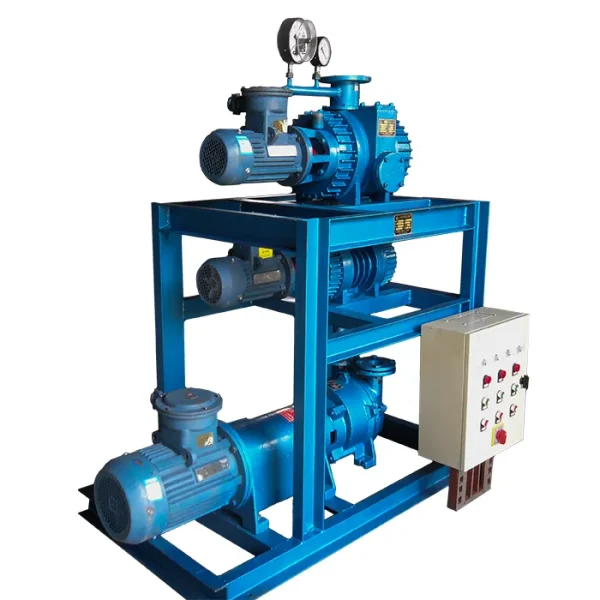
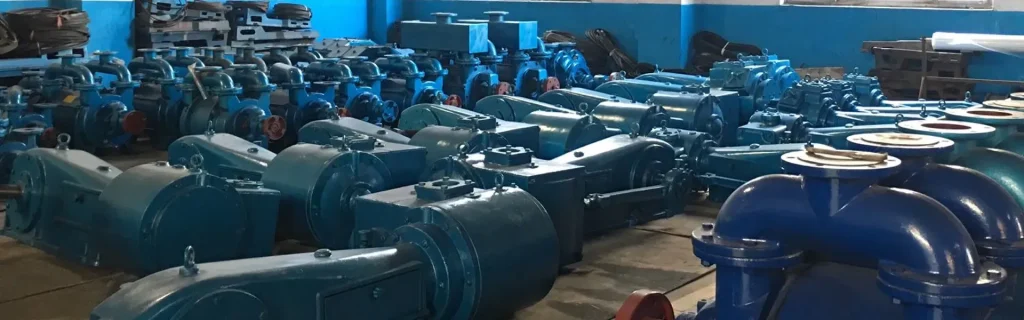
A standalone pump may be enough for a simple suction duty. A liquid ring vacuum pump and compressor may be needed when the process requires gas compression as well as vacuum. For demanding industrial systems, a complete vacuum unit with separator, condenser, heat exchanger, control panel, and closed-loop circulation may be the better choice.
BOJIE PUMP offers several water ring and liquid ring options, including 2BV series water ring vacuum pump, 2BV liquid ring vacuum pump and compressor, 2BEA/2BEC series, SK series, 2SK series, SZ series, SZB systems, and JZJ2B/JZJS water ring vacuum units and closed loop systems.
Industry and Application Buying Advice
Chemical and Pharmaceutical Processing
Prioritize material compatibility, corrosion resistance, vapor handling, and solvent recovery. Closed-loop systems may help control emissions and reduce working liquid consumption. Provide gas composition and temperature data before requesting a quote.
Food and Beverage
Focus on stable vacuum, hygienic operation, low contamination risk, and easy cleaning. Liquid ring pumps can be suitable where moisture is present, but working liquid quality and discharge handling should be reviewed.
Power, Mining, and Heavy Industry
These applications often require rugged construction, continuous operation, and tolerance for wet or dirty gas. Check motor power, cooling method, separator size, and maintenance access.
Water Treatment and Environmental Systems
Liquid ring pumps are often used where wet gas and moisture are unavoidable. Buyers should consider reliability, anti-corrosion design, water consumption, and whether a closed-loop arrangement is needed.
Oil and Gas
Safety, sealing, material compatibility, and gas handling are critical. Explosion protection, gas recovery, and process-specific compliance should be discussed with the supplier before final selection.
Common Selection Mistakes to Avoid
Avoid selecting only by motor power or inlet size. Do not compare performance curves without checking test conditions, working liquid temperature, suction pressure, and gas composition. Also avoid undersizing separators or ignoring cooling, because liquid temperature directly affects pump performance.
Another common mistake is buying only a pump when the application actually needs a system. If the process gas contains vapor, solvent, or corrosive components, the supporting equipment may be as important as the pump itself.
Conclusion
Selecting industrial liquid ring vacuum pumps requires more than checking catalog capacity. Buyers should define pumping speed, operating pressure, ultimate vacuum, working liquid, temperature, gas composition, and system requirements before choosing a model. With the right selection process and support from BOJIE PUMP, industrial users can build a reliable vacuum solution for wet, vapor-loaded, and demanding process conditions.
Why Choose BOJIE PUMP
BOJIE PUMP is a China-based vacuum pump system manufacturer with more than 20 years of experience in vacuum pump system design. Its product range covers water ring vacuum pumps, liquid ring vacuum pumps and compressors, Roots pumps, rotary vane systems, water jet vacuum systems, and negative pressure stations.
For industrial buyers, BOJIE PUMP can help match pump type, system configuration, and application requirements. Welcome to contact us for project-specific selection support.
FAQ
What is the most important parameter for liquid ring vacuum pump selection?
Pumping speed and operating pressure are the starting points, but working liquid temperature, gas composition, and vapor load are also critical because they affect real performance.
Can liquid ring vacuum pumps handle wet gases?
Yes. Liquid ring pumps are often selected for wet gases and condensable vapors, but the liquid, materials, and separator design must match the process.
When should I choose a closed-loop liquid ring system?
Choose a closed-loop system when you need to reduce liquid consumption, recover process vapors, control emissions, or handle special working liquids.
Are liquid ring pumps suitable for corrosive gases?
They can be, if the pump material, working liquid, seals, and system design are selected for the gas chemistry. Always provide gas composition before final selection.