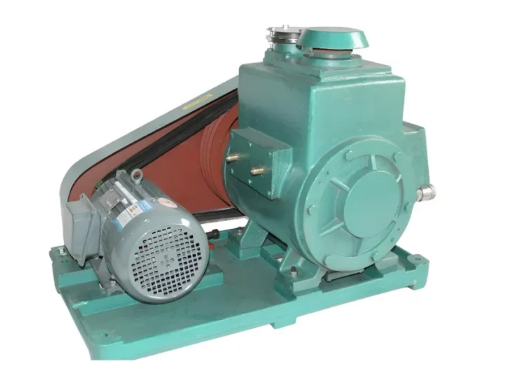
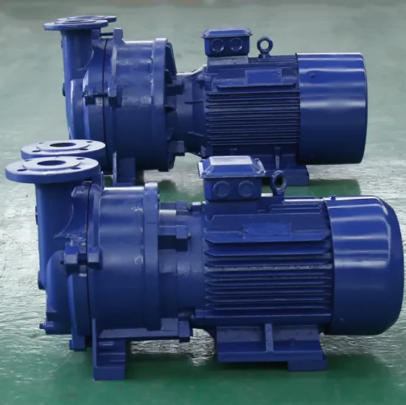
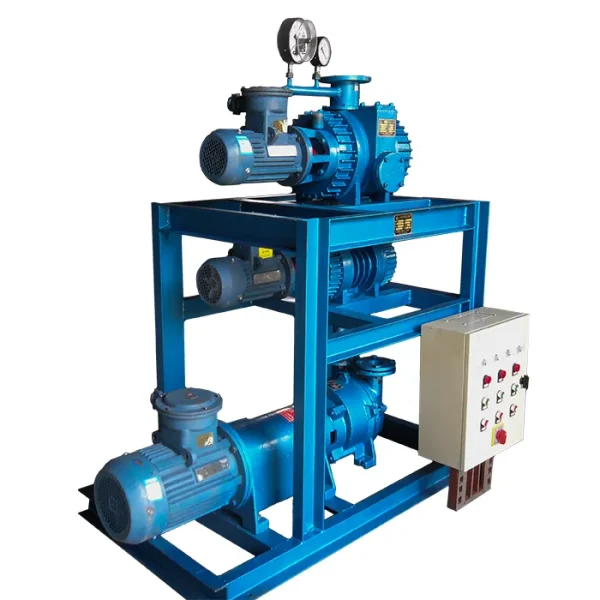
Definition and Core Structure
Definition
A reciprocating vacuum pump is a type of positive displacement vacuum equipment. It uses the linear reciprocating motion of a piston or plunger inside a cylinder to periodically change the working chamber volume, thereby completing gas suction, compression, and discharge to achieve vacuum extraction.
Unlike centrifugal vacuum pumps that rely on fluid kinetic energy to transport gases, the reciprocating vacuum pump operates on the core principle of “mechanical volume change.” It can generate an extremely high pressure difference even under low flow rate conditions, enabling stable and efficient establishment of a high-vacuum environment. It is a widely used and highly reliable vacuum device in industrial applications.
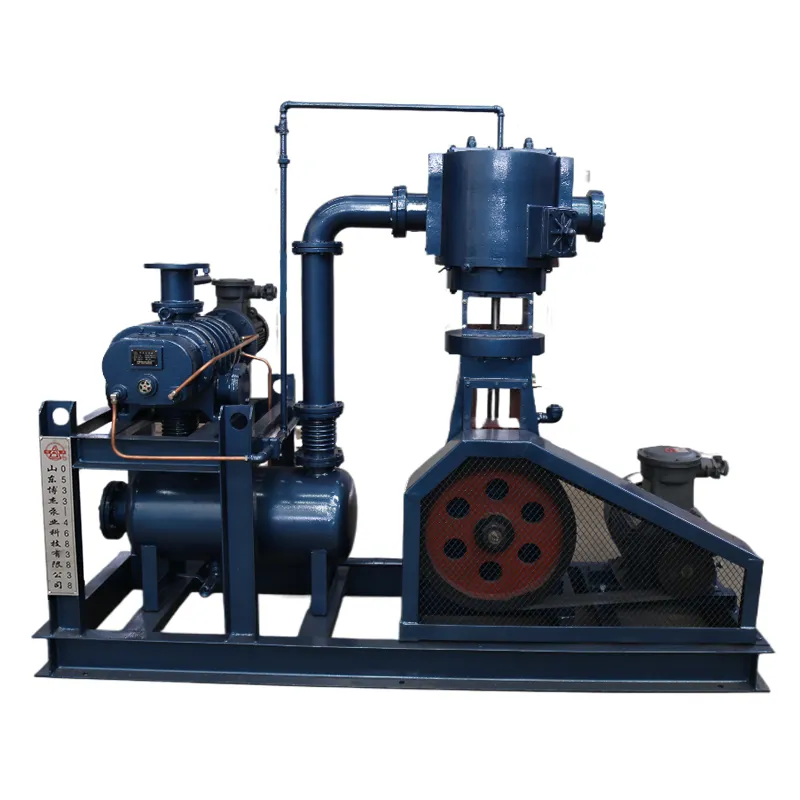
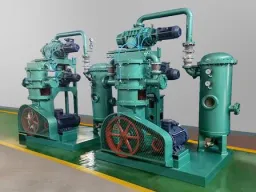
WLW Series Vertical Oil-Free Reciprocating Vacuum Pump (Complete Unit)
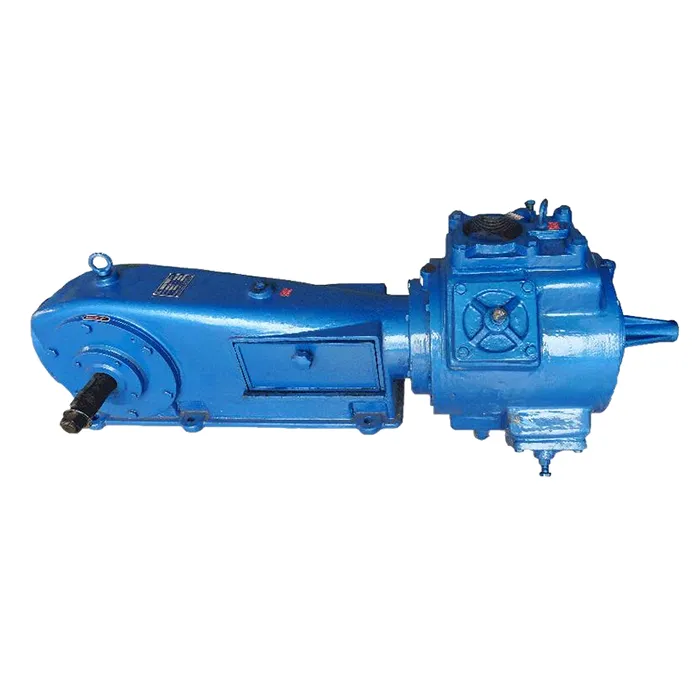
W/WY Series Horizontal Reciprocating Vacuum Pump (Complete Unit)
Core Structural Components
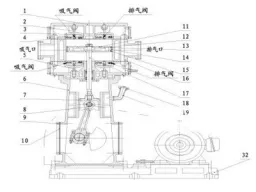
A standard reciprocating vacuum pump operates through the coordinated work of five core systems, each indispensable:
Working Chamber System
Consists of the cylinder, piston/plunger, and piston rings/packing. The cylinder is made of high-strength wear-resistant cast iron, with an internally precision-honed surface to ensure an extremely low coefficient of friction. The piston is equipped with self-lubricating seals, which ensure air-tightness while reducing operational wear and extending equipment life.
Drive Mechanism System
Composed of an electric motor, pulley/coupling, crankshaft, connecting rod, and crosshead. The motor’s rotary motion is converted by the crankshaft–connecting rod mechanism into the linear reciprocating motion of the crosshead, which then drives the piston smoothly within the cylinder. This system provides high transmission efficiency and low operating noise.
Gas Distribution System
The core components are the suction valve and discharge valve (check valves), made of wear-resistant stainless steel. They open and close automatically in response to the pressure difference inside the cylinder, precisely controlling the unidirectional flow of gas to prevent backflow and ensure pumping efficiency.
Cooling and Lubrication System
A water-cooled or air-cooled system removes heat generated during gas compression, preventing the pump body from overheating. A forced lubrication system provides continuous lubrication to the transmission components, reducing frictional wear and supporting long-term continuous operation of the equipment.
Frame and Auxiliary Systems
The pump body is manufactured using an integral casting process, providing high rigidity and low vibration. Auxiliary components such as seals, silencers, and filters can be customized according to operating conditions, making the pump suitable for clean, corrosive, dusty, and other special gas environments.
Working Principle
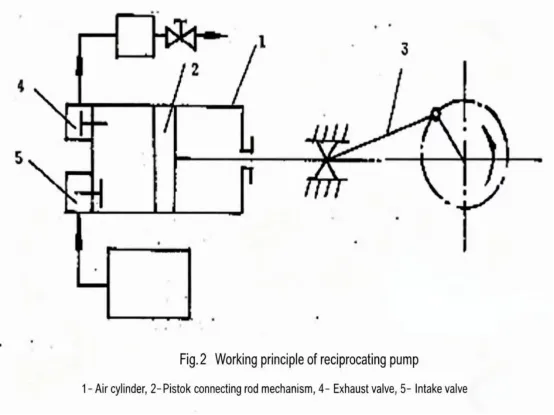
A reciprocating vacuum pump relies on the linear reciprocating motion of a piston inside a cylinder to complete a continuous cycle of suction – compression – discharge through volume changes, continuously reducing system pressure to form a stable vacuum environment.
The working process consists of four continuous steps: First, the piston moves downward, the chamber volume increases and pressure decreases, and the suction valve opens to draw in gas. Then, the piston moves upward, and the gas inside the chamber is sealed and compressed. When the gas pressure becomes higher than the external pressure, the discharge valve opens and the gas is smoothly expelled. The piston reciprocates cyclically, continuously extracting gas from the vessel.
From a structural perspective, reciprocating pumps are divided into two types: single-acting and double-acting. Single-acting pumps have a simple structure and are easy to maintain, making them suitable for small-scale, intermittent vacuum applications.
Double-acting pumps allow gas intake and discharge on both sides of the piston, resulting in higher pumping efficiency and smoother gas flow, making them suitable for continuous industrial production. BOJIE PUMP’s WLW Series vertical oil-free reciprocating vacuum pumps mostly adopt a double-acting design. They are oil-free, clean, and operate stably, and are widely used in high-end industries such as food and pharmaceuticals.
Application and Selection Guidelines
Main Application Areas
Leveraging their high vacuum degree, strong stability, and wide adaptability, reciprocating vacuum pumps are widely used across multiple industries:
Chemical and Pharmaceutical Industries
Vacuum distillation, solvent recovery, vacuum drying, crystallization reactions, aseptic filling, etc. Suitable for corrosive, flammable, and explosive gas conditions.
Oil and Gas Industry
Crude oil stabilization, oil-gas separation, gas recovery, oilfield associated gas extraction, etc. Capable of handling gas media containing impurities.
Food Processing Industry
Vacuum dehydration, vacuum packaging, low-temperature concentration, freeze-drying pre-treatment, etc. Oil-free lubrication models can meet food-grade cleanliness requirements.
Power and Environmental Protection Industries
Condenser vacuum extraction, vacuum lift for wastewater treatment, waste gas extraction, sludge dewatering, etc. Supports long-term continuous operation.
Other Industrial Fields
Metallurgical vacuum dewatering, electronic component packaging, plastic molding, aerospace vacuum environment simulation, etc.
Key Selection Parameters and Considerations
When selecting a reciprocating vacuum pump from BOJIE PUMP, the following key information should be provided based on specific operating conditions to match the most suitable model:
Pumping Speed: Measured in L/s or m³/h. This refers to the volume of gas the pump can extract per unit time, determining how quickly the system reaches the target vacuum level. It should be calculated based on the vessel volume and process requirements.
Ultimate Vacuum Degree: The minimum operating pressure required by the process, measured in Pa or mbar. It is necessary to distinguish between “ultimate vacuum (no-load)” and “working vacuum (under load)” to ensure the equipment meets requirements under actual operating conditions.
Gas Medium Characteristics:
Gas Type: Whether the gas is corrosive, flammable, explosive, or toxic. Corrosion-resistant materials or explosion-proof models should be selected accordingly.
Dust/Moisture Content: For dusty gases, a pre-filter should be installed. For gases containing water vapor, a gas ballast device or condensation recovery system should be considered.
System Configuration Requirements:
Drive Method: Standard motor, explosion-proof motor, or variable frequency motor to suit different operating conditions.
Cooling Method: Water-cooled models offer better heat dissipation and are suitable for long-term high-load operation; air-cooled models are easier to install and suitable for water-scarce or outdoor scenarios.
Structural Type: WLW vertical models have a small footprint and are easy to maintain, making them suitable for space-constrained scenarios; W/WY horizontal models operate smoothly and are suitable for high pumping speed and high-load conditions.
Summary
A reciprocating vacuum pump is a type of positive displacement vacuum equipment. Its core principle is to change the working chamber volume through the reciprocating motion of a piston inside a cylinder, completing gas suction, compression, and discharge to achieve vacuum extraction.
It is composed of core components including the working chamber, drive mechanism, and gas distribution system. Its working mechanism revolves around the cycle of “suction – compression – discharge,” with single-acting and double-acting models suitable for different operating conditions.
This equipment is widely used in various industries such as chemical, petroleum, food, and power. When selecting a model, key parameters including pumping speed, ultimate vacuum degree, medium characteristics, and system configuration must be comprehensively considered.
BOJIE PUMP offers reciprocating vacuum pumps and supporting vacuum units that adapt to different operating conditions. Customized solutions can be provided based on specific requirements to help achieve efficient and stable vacuum operations.