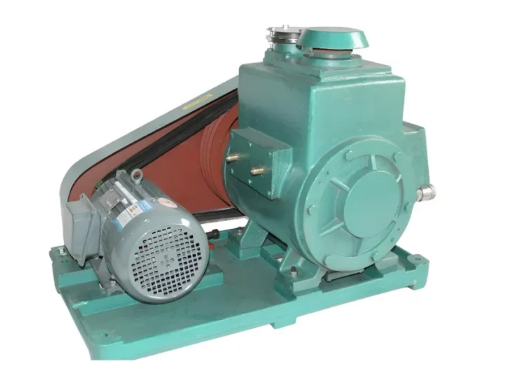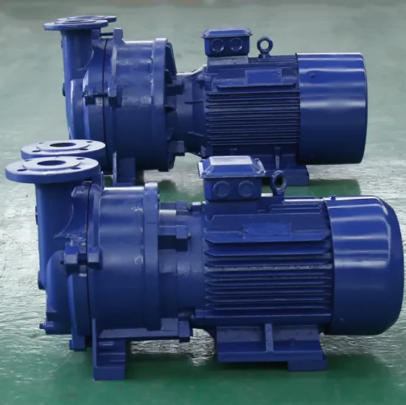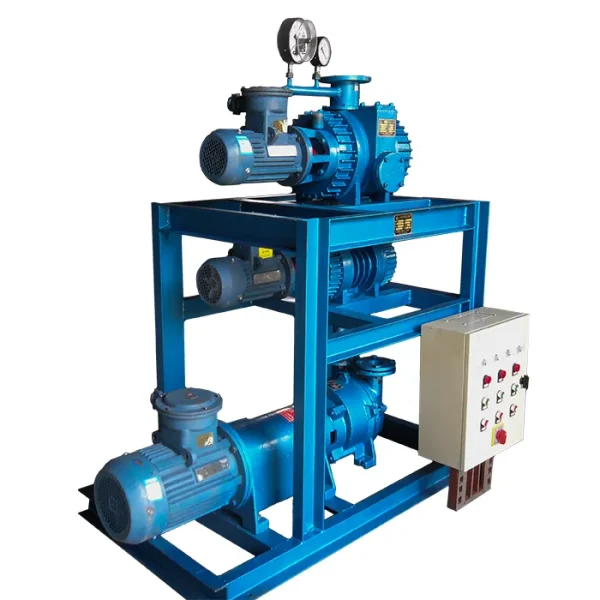
The main difference between wet and dry industrial vacuum pump types is the use of liquid. Wet vacuum pumps use a sealing liquid like water or oil to make a vacuum. This can cause contamination in sensitive processes. Dry vacuum pumps do not use any liquid. They help stop contamination and keep your process cleaner. Knowing these differences is important. Maintenance, how well the pump works, and contamination risks depend on the type you pick. Recent market trends show:
- Dry screw vacuum pumps have 40% of the global market.
- Dry vacuum pumps are becoming more popular in many industries.
- Wet vacuum pumps are still needed for some special uses.
Picking the right pump from the different industrial vacuum pump types can help your operations work better and keep your products safe.
Key Takeaways
- Wet vacuum pumps use liquid to seal. This can cause contamination. Pick these pumps if you need to move a lot of gas.
- Dry vacuum pumps do not use liquid. This lowers the chance of contamination. They work best for jobs that need a clean space.
- Wet pumps need a lot of care and fixing. Dry pumps need less care. This saves time and money over time.
- Think about what your process needs before picking a pump. Also, think about how it affects the environment. Dry pumps use less energy and make less waste.
- Look at both the starting price and future costs. Dry pumps might cost more at first. But they save money because they need less care and cost less to run.
Industrial Vacuum Pump Types
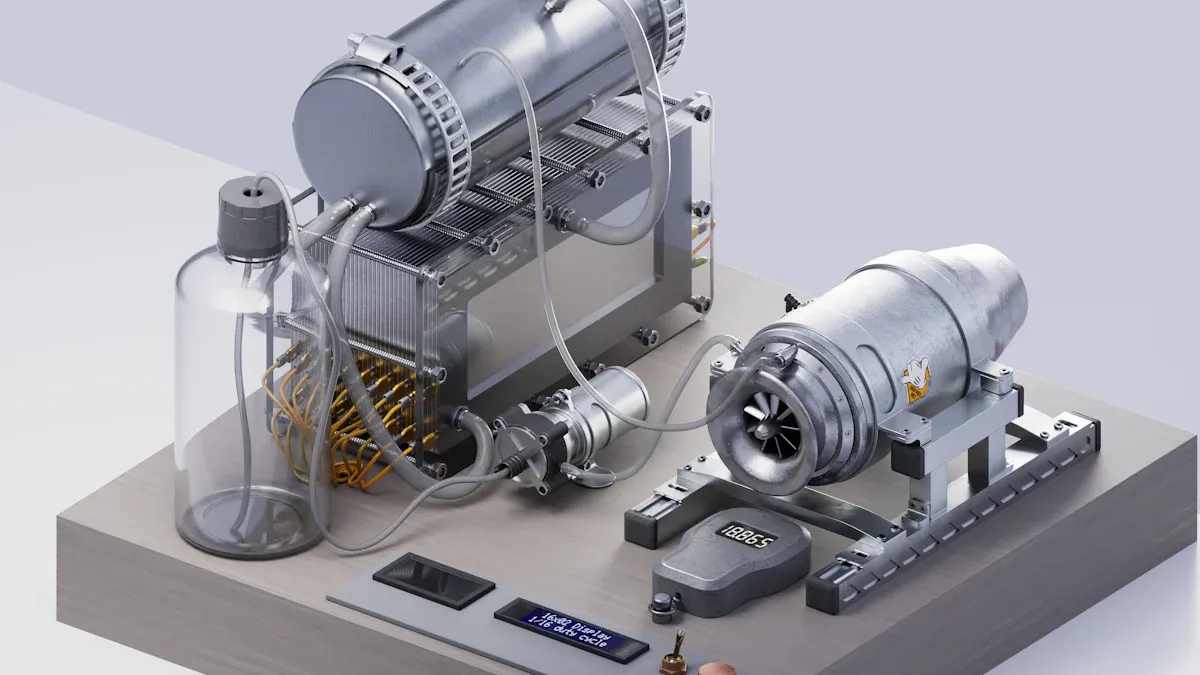
When you look at industrial vacuum pump types, you will find several main categories. Each type works in a different way to create a vacuum for your process. The four main categories are:
- Gas Transfer Pumps: Move gas from one place to another.
- Positive Displacement Pumps: Trap and move a set amount of gas.
- Kinetic Pumps: Use fast-moving parts to push gas out.
- Entrapment Pumps: Trap gas molecules using cold or electric fields.
Tip: Knowing the category helps you match the pump to your process needs.
Here is a table to help you see some common industrial vacuum pump types and how they work:
| Type of Pump | Description | Vacuum Range (inHg) |
|---|---|---|
| Rotary Vane Pump | Uses rotating vanes to trap and move air. | 20 to 28 |
| Rocking Piston Pump | Piston rocks back and forth to create vacuum. | Up to 29 |
| Reciprocating Piston Pump | Pistons attached to a crankshaft create vacuum. | 27 to >29 |
| Diaphragm Pump | Uses a diaphragm to generate vacuum, keeping fluids separate. | Up to 29 |
| Dry Claw Pump | Claw-shaped rotors move air without touching each other. | N/A |
| Liquid Ring Pump | Forms a liquid ring to create vacuum through rotation. | N/A |
| Rotary Screw Pump | Helically-shaped rotors trap air for high airflow. | Up to 15 |
Wet vs. Dry Pumps
You will often hear about wet and dry pumps when choosing industrial vacuum pump types. Wet pumps use a liquid, like oil or water, to help create the vacuum. Dry pumps do not use any liquid. Instead, they rely on mechanical parts to move air or gas.
Some common wet pumps include oil sealed rotary vane pumps and liquid ring pumps. Dry pumps include diaphragm, scroll, roots, claw, and screw pumps. You will also find dry types like turbomolecular and cryopumps in high-tech industries.
Wet and dry pumps are important subcategories. Most industrial applications use one of these two types. Wet pumps work well for handling vapors and large gas volumes. Dry pumps give you a clean, oil-free vacuum, which is better for sensitive processes.
Note: Picking the right subcategory helps you avoid contamination and lower maintenance costs.
Key Difference
Operation
When you look at wet and dry industrial vacuum pump types, you see they work in different ways. Wet pumps use a liquid, like water or oil, to help make a vacuum. Dry pumps do not use any liquid at all. They use moving parts to push air or gas out. This main difference changes how each pump deals with pressure, how well it works, and how clean it keeps things.
Here is a table that shows the main ways they work differently:
| Feature | Wet Vacuum Pumps | Dry Vacuum Pumps |
|---|---|---|
| Use of Liquid | Yes, uses liquid (usually water) | No, relies on mechanical means |
| Maintenance | Requires regular maintenance | Lower maintenance requirements |
| Contamination Risk | Higher risk due to liquid mixing | Low risk, provides a clean vacuum |
| Operating Costs | Higher due to liquid requirements | Lower, no liquid needed |
| Efficiency | Effective for large gas volumes | Efficient for clean, dry environments |
Tip: Dry pumps keep the vacuum cleaner, which is good for sensitive jobs.
Components & Lubrication
Wet and dry industrial vacuum pump types have different parts and ways to stay smooth. Wet pumps use oil or water to seal and keep parts moving. The oil helps the pump last longer and stops parts from wearing out fast. The liquid makes a ring inside the pump. This ring seals spaces and traps gas. Wet pumps are good for moving vapors and lots of gas.
Dry pumps do not use oil. They use special materials, like carbon vanes or powdered graphite, to keep parts moving well. This design keeps oil out of your process. But dry pumps can make dust when the vanes wear down, so you need to check for wear.
- Wet pumps:
- Use liquid to make a vacuum and seal parts.
- Work well with lots of gas and vapors.
- Have thicker, softer vanes that last longer.
- Dry pumps:
- Use self-lubricating materials, not oil.
- Lower the risk of contamination.
- May wear out faster if not checked.
Note: Wet pumps last longer because of oil, but dry pumps are better for clean places.
Maintenance
Maintenance is another big way these industrial vacuum pump types are different. Wet pumps need more care. You have to check the oil every day and change it after about 300 hours. You also need to look for water and dirt in the oil. Checking the pump often helps stop leaks and other problems.
Dry pumps need less care, especially in the first few years. You can wait longer between checkups, and the jobs are easier. Most dry pumps last 15 to 20 years, almost twice as long as wet pumps. After five years, you might need to change the bearing assembly, but this is not as often as oil changes for wet pumps.
| Type of Pump | Maintenance Requirements | Life Expectancy |
|---|---|---|
| Wet Pumps | Need regular checks and care to stop problems and high costs. | Do not last as long as dry pumps |
| Dry Pumps | Need little or no care for five years; change bearing assembly after that. | Can last 15-20 years, almost twice as long as wet pumps |
Regular care helps stop leaks, overheating, and blockages.
Applications
You find wet and dry industrial vacuum pump types in different jobs. Wet pumps are best where you need to move vapors or lots of gas. You see them in:
- Chemical plants for distillation, drying, and extraction.
- Pharmaceutical factories for filtering and drying.
- Food and drink companies for vacuum packing and drying food.
- Paper mills for removing water and saving water.
Dry pumps are used where you need a clean, oil-free vacuum. These jobs include:
- Factories, like electronics and food making.
- Food processing for sealing and freeze-drying.
- Pharmaceuticals for distilling and drying.
- Hospitals and labs.
- Car factories for brakes and air conditioning.
- Plastics and rubber for shaping and removing gas.
- Electronics and semiconductor plants for making and coating parts.
Picking the right pump for your job helps stop contamination and lowers care costs.
If you know these main differences, you can pick the best industrial vacuum pump types for your work and keep things running well.
Pros and Cons
Wet Pumps
Wet pumps have some good points for your work. Many new wet pumps let you change their parts. You can make them fit your job better. This helps you save money as time goes on. Some wet pumps use less water and energy. This is better for the planet. Companies also give strong help after you buy the pump. They help you keep it working well.
Here is a table that shows the main good things about wet pumps:
| Advantage | Description |
|---|---|
| Modular and Customizable Designs | You can change how the pump is set up. This makes it work better and saves money. |
| Environmentally Friendly Systems | New pumps use less water and energy. This helps you reach green goals. |
| Growth of Aftermarket Services | You get more help and longer-lasting pumps with good service. |
But wet pumps also have some bad points. You must watch out for contamination. The liquid can mix with the gas. You need to check and change the liquid often. This means more work. Wet pumps also cost more to use. You need to buy water or oil.
| Disadvantage | Description |
|---|---|
| Contamination Risks | The liquid can mix with gas. This can hurt your product or process. |
| Maintenance Requirements | You must check and change the liquid often to keep the pump working. |
| Higher Operating Costs | You spend more on water or oil when you use the pump. |
Tip: Wet pumps are best if you need to move a lot of vapor or gas and can do regular checks.
Dry Pumps
Dry pumps give you a clean vacuum with no oil. You do not have to worry about liquid mixing with your product. These pumps last longer because they do not touch fluids. Dry pumps help you save time and money. They lose less material and work faster. Many dry pumps use air cooling and do not need oil. This means you do not need to fix them as often.
Here is a table that shows the main good things about dry pumps:
| Benefit | Description |
|---|---|
| Clean, Oil-Free Operation | No risk of liquids mixing in. |
| Longer Service Intervals | You spend less time and money fixing the pump. |
| Durable and Corrosion-Resistant | Pumps last longer because they do not touch fluids. |
| Increased Efficiency | The pump works faster and wastes less, so you save money. |
| Versatile Applications | You can use dry pumps for many jobs, like making food or electronics. |
Dry pumps have some bad points too. They cost more at first. For example, a dry screw pump costs about $25,000. An oil-sealed pump costs about $15,000. Dry pumps may use more energy. You might need to fix or change parts after some years.
| Drawback | Description |
|---|---|
| Higher Initial Cost | Dry pumps cost more than oil-sealed pumps when you buy them. |
| Potential Maintenance Costs | You may need to change parts after a few years. |
| Increased Energy Consumption | Some dry pumps use more energy when they run. |
Note: Dry pumps are a good pick if you want a clean vacuum and less work over time.
You can use these good and bad points to compare vacuum pump types and pick the best one for your job.
Choosing the Right Type
Application Needs
You need to pick a pump that fits your job. First, think about what your process needs. Some jobs need a clean and dry vacuum. Other jobs can handle some oil or water. If you work in a lab or cleanroom, dry pumps are best. They keep oil and water out of your process. Wet pumps are better if you need to move lots of vapor or gas. Wet pumps can reach lower vacuum levels. But they might add oil or water to your process.
Here are the main things to think about when picking between wet and dry industrial vacuum pump types:
- Nature of the Process: Decide if your job can handle liquid contamination or if you need a clean, dry vacuum.
- Maintenance Needs: Think about how much time and effort you can spend on maintenance. Wet pumps need more care.
- Environmental Conditions: Check if your work area is better for a wet or dry pump.
- Cost Considerations: Look at both the price to buy and the cost to run the pump.
Tip: Dry pumps are often best if you want high speed and less maintenance.
You should also think about oil emissions, noise, heat, and energy use. Dry pumps are good for quiet and clean places. Wet pumps may make more noise and heat.
- Wet pumps can reach lower vacuum levels but may cause contamination.
- Dry pumps are better for sensitive jobs and fast work.
Environment & Cost
Your work area and budget are important when you choose a pump. Dry pumps help you save energy and lower pollution. They do not use oil or water, so there are no leaks or spills. This makes them safer for workers and better for the planet. Wet pumps use more energy and make oil waste. You need to handle this waste and follow safety rules.
Here is a table that shows how wet and dry pumps affect the environment:
| Environmental Consideration | Dry Vacuum Pumps Benefits | Wet Vacuum Pumps Drawbacks |
|---|---|---|
| Energy Efficiency | Uses less energy, saves money, and helps the planet. | Uses more energy because of oil. |
| Oil Waste and Contamination Risks | No oil, so no leaks or dangerous waste. | Makes oil waste, which can cause problems. |
| Greenhouse Gas Emissions | Makes less pollution, so air stays cleaner. | Makes more pollution, which hurts air quality. |
| Industrial Waste Generation | Needs fewer parts, so makes less waste. | Makes more waste from oil and filters. |
| Water Usage | Does not use water, so saves water and money. | Uses lots of water, which is bad in dry places. |
| Workplace Safety and Air Quality | Keeps air clean and safer for workers. | Makes oil mist and vapors, which can be harmful. |
| Compliance with Environmental Regulations | Helps you follow strict rules about waste and pollution. | May not meet tough environmental rules. |
Cost is also important. Dry pumps cost more at first, but save money later. You spend less on fixing and running them. Wet pumps cost less to buy, but you pay more for oil, water, and repairs.
| Aspect | Wet Vacuum Pumps | Dry Vacuum Pumps |
|---|---|---|
| Initial Purchase Costs | Usually higher because they have more parts. | Usually lower because they are simpler. |
| Long-term Operating Expenses | Higher because of more repairs and energy use. | Lower because they need less care and use less energy. |
| Maintenance Needs | Needs oil changes and new filters often. | Needs air filter checks and some part changes. |
Note: Dry pumps are a smart pick if you want to save money and help the environment.
You need to think about your job, your work area, and your budget. When you compare industrial vacuum pump types, you can find the best one for you.
You have learned how wet and dry industrial vacuum pumps are different. Wet pumps use oil or water. Dry pumps help keep things clean and need less fixing. To pick the best pump, look at this checklist:
- Vacuum level
- Pump type
- Energy efficiency
- Material quality
- Maintenance ease
- Noise level
- Installation ease
Choosing the right pump for your job helps you work better and save money. If you want to know more, check out the main pump types and find the one that works for you.
FAQ
What is the main difference between wet and dry vacuum pumps?
Wet pumps use oil or water to help create a vacuum. Dry pumps do not use any liquid. You get a cleaner process with dry pumps.
Can you use a dry vacuum pump for all applications?
You cannot use dry pumps for every job. Some processes need wet pumps to handle vapors or large gas volumes. Always check your process needs first.
How often should you maintain a wet vacuum pump?
You should check oil levels daily and change the oil after about 300 hours of use. Regular maintenance keeps your pump working well.
Are dry vacuum pumps more expensive to buy?
Yes, dry pumps usually cost more at first. You save money later because they need less maintenance and have lower running costs.
Which pump type is better for clean environments?
Dry vacuum pumps work best in cleanrooms, labs, and places where you need oil-free air. You avoid contamination with dry pumps.