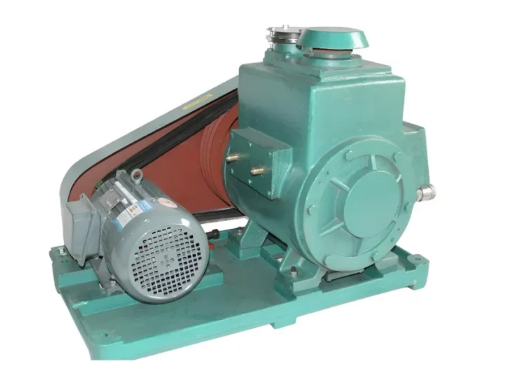
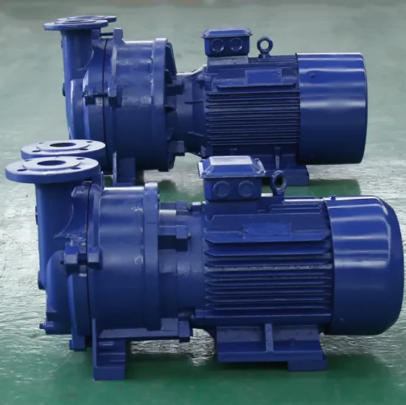
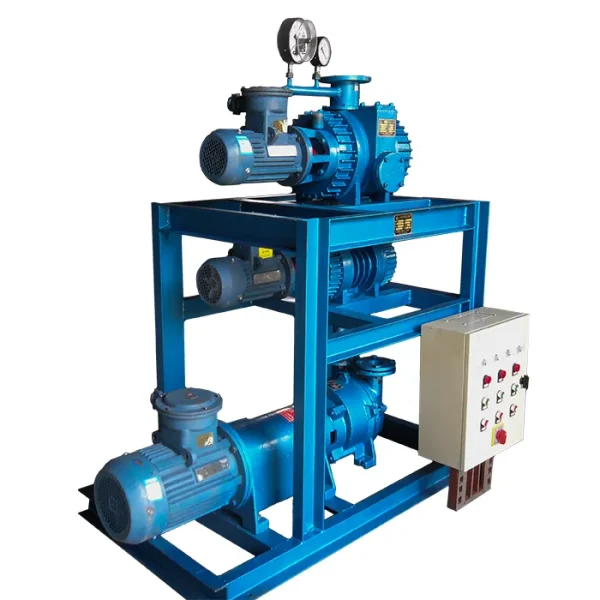
You might see problems with your roots blower vacuum pump. These can be loss of vacuum, strange sounds, getting too hot, oil leaks, or weaker performance. These pumps have rotary impellers. They often work with backing pumps to be more efficient. Finding problems fast helps you stop long breaks. Lubricate often, check seals, and keep spare parts ready. This lowers the chance of failures, leaks, and sudden stops:
| Maintenance Practice | Impact on Downtime |
|---|---|
| Regular lubrication | Smooth running, fewer breakdowns |
| Seal inspections | Fewer leaks, steady pressure |
| Inventory of spare parts | Quick fixes, less time stopped |
Use this guide to help your pump work well.
roots blower vacuum pump issues

Loss of vacuum
Sometimes your roots blower vacuum pump does not make enough vacuum. This can mean air is getting in or the pump is not working right. The impeller design helps make a strong vacuum. If you lose vacuum, check for leaks or things blocking the pump or system.
Tip: Try these steps to find the problem:
- Take the pump off the main vacuum system.
- Put a vacuum gauge on the pump’s inlet.
- Turn on the pump and watch the gauge.
- Look at the reading and compare it to the pump’s specs.
- If the pump works fine, your system may have a leak.
- If the pump still does not work well, look for problems inside or with the oil.
Using a backing pump with your roots blower vacuum pump can make the vacuum much stronger. This setup helps you get lower pressures and better results.
Unusual noises
Weird sounds from your roots blower vacuum pump can mean something is wrong. Gears need to match the motor rating to stop extra noise and shaking. The pump’s materials also change how loud it is. You can use vibration isolators, silencers, or covers to make it quieter.
Some reasons for strange noises are:
- Parts get too hot.
- Bad oil makes the pump work harder.
- Old pumps have worn parts.
- The rotor rubs against the shell.
- The rotor jams after long stops.
| Mechanical Fault | Associated Noise/Effect |
|---|---|
| Misalignment | Strange noise or shaking |
| Rubbing of impellers | More noise |
| Worn out bearings | Problems that cause noise |
| Loose couplings | Can make weird noises |
| Poor clearances | Jamming, overheating, and more noise |
| Friction between rotor and shell | Big shaking and noise |
| Rotor jamming | More noise from problems |
Listen for new or louder noises. These can warn you before things get worse.
Overheating
Overheating is very bad for any roots blower vacuum pump. Too much heat can break the pump and make it last less time. Many things can cause overheating:
| Factor | Description | Impact Level |
|---|---|---|
| Motor Overload | The pump has too much work or electrical trouble. | High |
| High Ambient Temperature | Hot air around the pump adds heat. | Medium |
| Insufficient or Incorrect Lubrication | Not enough or wrong oil makes more friction. | High |
| Blocked Airflow / Dirty Cooling | Dirty filters or fins trap heat. | Medium-High |
Keep oil below 180°F to make it last longer. If oil gets to 195°F, it lasts half as long. At 200°F, oil breaks down fast. Always check cooling and use the right oil to stop overheating.
Oil leaks
Oil leaks can hurt your roots blower vacuum pump. Leaks often come from old seals, too much oil, loose parts, or broken housing. Using the wrong oil can also cause leaks.
| Cause | Description |
|---|---|
| Worn or Damaged Seals | Seals get old from heat, pressure, and dirt, so they leak. |
| Overfilled Oil Reservoirs | Too much oil makes pressure and causes leaks. |
| Loose or Improperly Fitted Components | Loose parts let oil out. |
| Cracked or Damaged Housing | Broken housing lets oil leak. |
| Using Incorrect Oil Type | The wrong oil can hurt the pump and cause leaks. |
To stop leaks:
- Use good seals and parts.
- Wear gloves and clean everything when putting it together.
- Check for damage and tighten bolts evenly.
- Use fewer seals and welded joints if you can.
Reduced performance
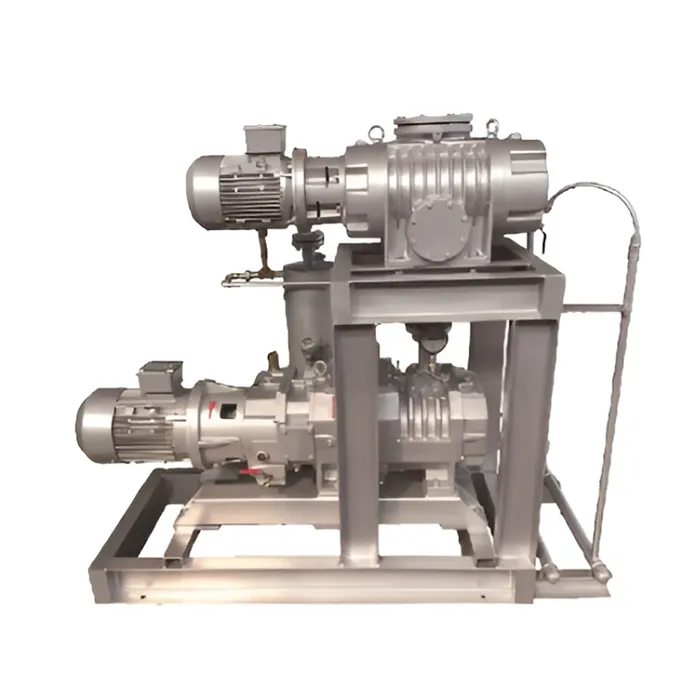
Your roots blower vacuum pump may lose power or speed. This can happen if suction pressure drops, the pump cannot move enough air, or the pressure is not in the best range. The impeller design with two rotors helps keep pumping fast and pressure low. Backing pumps can help by making the pump faster and lowering pressure.
Main reasons for lower performance:
- Low suction pressure.
- Not enough air moved.
- Pressure not in the best range.
- High water temperature in liquid ring pumps.
- Not adding cooling water.
Note: Always check for pressure drops and fix them fast. This keeps your pump working well.
Roots blower vacuum pumps are often very efficient, move lots of air, make little noise, and run steady. They can have fan diameters from 40 to 350 mm, air volumes from 0.44 to 165.9 m³/min, and motor power from 0.55 to 355 kW. Using a backing pump can make the pump up to seven times faster and improve pressure by ten times.
Troubleshooting steps
Diagnosis
You can find problems with your roots blower vacuum pump by following a few clear steps. Start with the basics:
- Check the filters. Shine a flashlight on the outside of the filter. If you see little or no light, the filter needs to be changed.
- Inspect the vanes. Take out the vanes and look for chips, cracks, or uneven wear. Lay them on top of each other to check for gaps.
- Look for oil misting. Make sure your pump runs at a vacuum level between 20 and 29 inches of mercury. Check the oil separators and float chamber for clogs.
- Listen for unusual noises. If you hear chattering or screeching, let the pump run for a day or two. If the noise stays, you may need help from a service expert.
- Monitor for overheating. Feel the pump housing and check the oil temperature. If it feels too hot, check for blocked airflow or dirty cooling fins.
- Use the right tools. Pressure gauges, vacuum gauges, and residual gas analyzers help you spot leaks, pressure drops, or control failures.
Tip: Always install a check valve on the outlet pipe. This stops backflow and protects your pump.
| Diagnostic Tool/Accessory | Usefulness |
|---|---|
| Vacuum gauges | Measure pressure and find leaks |
| Filters | Keep dirt out of the pump |
| Oil separators | Prevent oil misting |
| Silencers | Lower noise and protect equipment |
Solutions
Once you know the problem, you can fix it with the right steps:
- Loss of vacuum: Use frequency control to boost pumping speed. Check for leaks and replace worn seals.
- Unusual noises: Use water-cooled, sealed motors to lower noise. Add silencers to reduce sound and protect other equipment.
- Overheating: Add water cooling to lower oil temperature. Clean filters and cooling fins often.
- Oil leaks: Use fewer shaft seals and check for cracks in the housing. Tighten bolts and use the correct oil.
- Reduced performance: Use a pumping by-pass to help the blower start at normal pressure. Make sure filters and valves work well.
Note: Regular checks of valves, filters, blower oil, and gauges keep your roots blower vacuum pump running smoothly and help you catch problems early.
roots blower vacuum pump maintenance

Routine checks
You can keep your roots blower vacuum pump working well by doing some easy checks. Look at the pump every day. Watch for oil leaks, loose bolts, or dirt on it. Make sure the oil level is at the center mark. Clean or change filters often so dust does not block air. Listen for odd noises or shaking. These can mean problems with bearings or seals. Check seals and bearings to see if they are worn out. Keep the pump clean and free from trash. Watch the temperature and pressure. Test how the pump works often to find problems early. Teach workers to spot trouble signs. Always use real parts when you replace something. Get help from trusted service people if you need it. Upgrade your pump if it cannot do the job anymore.
Tip: If you follow the maker’s rules for checks, you can stop surprise breakdowns and keep your pump working for a long time.
Maintenance schedule
A good plan for maintenance helps you avoid big repairs and stops. Check the oil level often while the pump is running. Change the oil after about 100 hours of use. Look at the oil and change it if it looks dirty or old. After 2,000 hours, check the pump for worn parts. Oil the bearings when needed and keep the oil at the center line. Look for loose parts every time you do maintenance. After putting the pump back together, let it run without load for two hours before changing the oil.
| Maintenance Task | Frequency/Condition |
|---|---|
| Check oil level | Often while the pump is running |
| Change oil | After about 100 hours of use |
| Inspect oil quality | Regularly; change if it looks bad |
| General maintenance inspection | After 2,000 hours of use |
| Lubricate bearings | When needed; keep oil at center line |
| Check for loose connections | Every time you do maintenance |
| Test run after reassembly | Run for 2 hours before changing oil |
Using rebuilt pumps or parts can save money and still work well. Accessories like silencers, filters, and oil separators help your pump last longer. If you take care of it, a roots blower vacuum pump can work for 15 to 20 years. Doing regular maintenance helps you stop most problems and keeps your pump strong.
You can keep your roots blower vacuum pump working well if you do easy checks and fix problems early.
Clean the pump often, add oil when needed, and look for leaks or strange sounds. This helps stop the pump from breaking down without warning.
| Maintenance Task | How Often |
|---|---|
| Check and clean air filters | Every month |
| Clean blower housing | Every three months |
| Look at belts and tighten them | Twice a year |
| Add oil to moving parts | Once a year |
Use good parts and tools to make sure your pump does not stop working. If you see leaks or pressure drops, call an expert for help. These steps help your pump work its best and keep it from stopping for a long time.