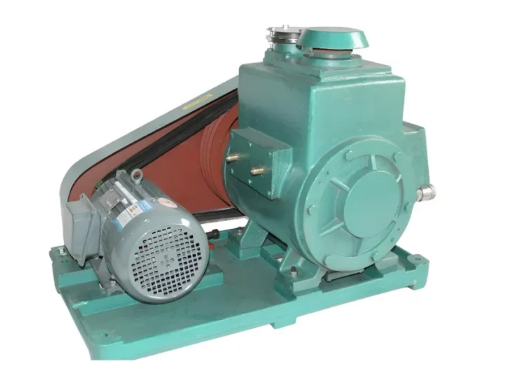
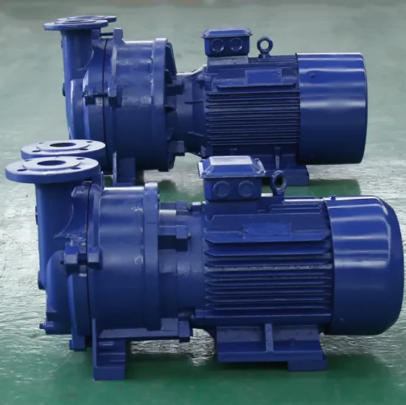
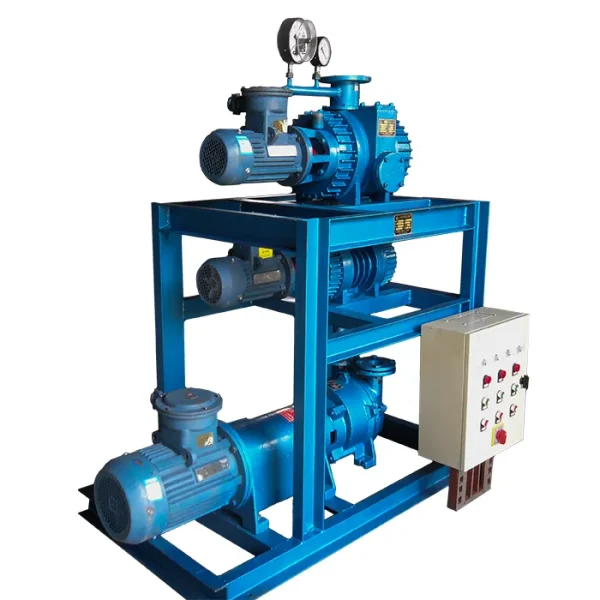
Choose a vacuum pumping system factory whose proposed system matches your working pressure, gas load, and pump-down time. Manufacturing experience, system integration, operating costs, and after-sales support all affect that choice. A clear proposal explains how the equipment will perform in your process and what is included in the supply.
BOJIE multi-stage vacuum pump system.
Why Vacuum Pumping System Factories Matter
A vacuum pumping system removes gas from a vessel or process to establish and maintain reduced pressure. The complete installation may include pumps, valves, separators, instruments, controls, and connecting pipework. Their interaction determines how the system performs during production.
A factory with relevant system experience can explain how these components work together under the intended operating conditions. That matters when gas loads change, moisture enters the suction line, or several production stages require different pressures.
Common Industrial Applications
The application establishes which performance characteristics matter most:
- Drying and dehydration: Removing moisture creates a changing vapor load. Pump selection and vapor handling influence drying time and operating stability.
- Food and textile processing: Vacuum duties can involve moisture-bearing gases, making the gas composition and process conditions important selection inputs.
- Chemical processing: Materials compatibility, condensation, and gas handling shape the system arrangement.
- Vacuum off-gas treatment: The pumping equipment must work with the downstream treatment process and its operating requirements.
BOJIE’s JZJ2B and JZJS water-ring vacuum systems combine Roots pumps with water-ring backing pumps for applications including drying, dehydration, and vacuum off-gas treatment. The pump stages, gas-handling equipment, and controls need to be selected together.
What to Consider When Selecting a Vacuum Pumping System Factory
A useful comparison follows the process requirement through to operating cost and support. Working through these points in order makes competing proposals easier to compare.
1. Establish the Required Operating Duty
Begin with the working pressure, gas flow, vessel volume, and production schedule. Batch processes also have a pump-down time: the time available to move from the starting pressure to the required process pressure.
Working pressure and ultimate pressure describe different conditions. Ultimate pressure indicates the lowest pressure achievable under specified test conditions; production requires sufficient pumping capacity while gas continues to enter or leave the material. The proposal should address the actual operating point.
Continuous and intermittent processes place different demands on the system. If production must continue during pump maintenance, discuss standby capacity and isolation arrangements during system design. For a batch process, the available pump-down time may be more important. The quotation can identify which provisions are included.
2. Match the System to the Gas Stream
Gas composition influences the pumping technology, wetted materials, and auxiliary equipment. Moisture, condensable vapor, particulates, and corrosive constituents can change the suitability of a standard package.
The supplier discussion can resolve whether the process needs upstream separation, condensation, filtration, or a particular liquid-handling arrangement. These features affect maintenance access and operating expenses as well as initial equipment cost.
Where special electrical protection or materials are required, their scope belongs in the proposed configuration. A clearly defined package helps the project team compare equipment designed for the same duty.
3. Evaluate the Complete System Arrangement
Pumping performance at the process connection reflects the combined effects of the pumps and connecting equipment. Pipe length, diameter, valves, and restrictions affect how effectively gas reaches the system.
For a multi-pump installation, the sequence and operating limits of the stages also matter. A Roots pump and its backing pump must operate within a compatible range. The manufacturer’s explanation of startup and load changes reveals whether the proposal addresses system integration.
Useful proposal details include the equipment arrangement, connection locations, utility requirements, and control scope. Together, these help identify installation work early and reduce uncertainty when comparing quotations.
4. Compare Lifecycle Cost
Lifecycle cost includes purchase, installation, energy, utilities, consumables, and maintenance. The balance varies with the process and annual operating hours.
A liquid-ring system, for example, introduces questions about service-liquid supply, temperature, treatment, and any recirculation arrangement. Other pump types have their own lubrication, cooling, or service requirements. Comparing the expected operating conditions produces a more useful estimate than comparing motor ratings in isolation.
Maintenance access deserves attention during selection. Space around service points and practical access to replaceable components can influence the duration of a future shutdown.
5. Clarify Installation and After-Sales Support
Support is most useful when its scope is clear. Installation assistance, commissioning arrangements, operating documentation, remote troubleshooting, and spare-parts availability can be discussed alongside the equipment proposal.
For overseas purchases, the distinction between remote guidance and an on-site visit affects scheduling and cost. Warranty coverage, exclusions, and response arrangements should be explained in the quotation or agreed service terms.
A named technical contact and an agreed method for identifying spare parts make support easier to use after delivery.
How to Evaluate a Vacuum System Manufacturer’s Factory Credentials
Factory screening helps establish who makes the equipment and who remains responsible for the project. The strongest evidence connects the legal business identity, production activity, and proposed system.
Check Business Identity and Manufacturing Scope
A transparent supplier can explain its registered company name, operating address, and role in the supply chain. The quotation, company information, and payment beneficiary should have a clear, documented relationship.
Manufacturers, system integrators, and distributors can all contribute to a successful project. The important distinction is their actual role: which equipment is manufactured internally, which components are sourced, and who carries responsibility for integration and support.
Look for Relevant Production Evidence
A live factory walkthrough or an agreed visit can show assembly areas, relevant equipment, and the team involved in the proposed system. Evidence is more useful when it relates to the same product family and manufacturing process.
Recent production examples, equipment identification, and a coherent technical discussion help connect factory images to real operations. Inconsistent company details, unexplained product changes, or repeated avoidance of basic manufacturing questions warrant clarification before an order proceeds.
Discuss Testing and Documentation
Testing should relate to the agreed operating requirement. Relevant discussions include the performance conditions, instruments used, acceptance criteria, and documentation accompanying the system.
Management-system certification and equipment performance serve different purposes. A quality-management certificate concerns organizational processes; the proposed system still needs a clearly defined technical specification and acceptance basis. Keeping these roles separate makes supplier comparisons more precise.
Start a Process-Focused Discussion With BOJIE
Shandong Bojie Pump Technology Co., Ltd. is a pump equipment manufacturer based in Boshan, Shandong. Its range includes reciprocating, water-ring, Roots, and rotary-vane vacuum pumps and systems, with installation and technical assistance available.
Discuss your application, working pressure, gas load, and available utilities with BOJIE to explore suitable pump and system options.