A vacuum pump for food packaging removes air from the packaging chamber or bag before the machine seals it. The pump must bring the system to the required pressure within the time available for evacuation. A pump that reaches the target on an empty machine can still fall short when the line runs at full speed with a wet product.
What Does a Vacuum Pump Do in Food Packaging
In a chamber machine, the operator places the filled bag inside the chamber with its mouth open across the sealing bar. The pump evacuates the chamber, allowing air to leave the bag. The machine seals the bag under reduced pressure. When air returns to the chamber, atmospheric pressure presses the flexible film around the product. In an external-suction machine, air is drawn directly from the bag through the machine’s suction path.
Removing air reduces the oxygen available for oxidation. The finished pack also depends on the film, the integrity of the seal, and the product’s specified storage conditions. Vacuum packaging does not sterilize food.
Common Applications for a Food Packaging Vacuum Pump
- Meat and poultry. Raw cuts and portioned products can release juices during evacuation. Check whether liquid or foam reaches the bag mouth or suction line, particularly when the product temperature or fill level changes.
- Cheese. Blocks and portions can be packed in flexible bags that fit closely around the product. The shape of the cheese and the placement of the bag affect how air escapes and where the film folds.
- Other bagged foods. Processed meats, dry ingredients, and prepared foods present different loads. Fines can enter the suction path, while sauces and moist ingredients can foam or release vapor as pressure falls. Evaluate each product under the intended packing conditions.

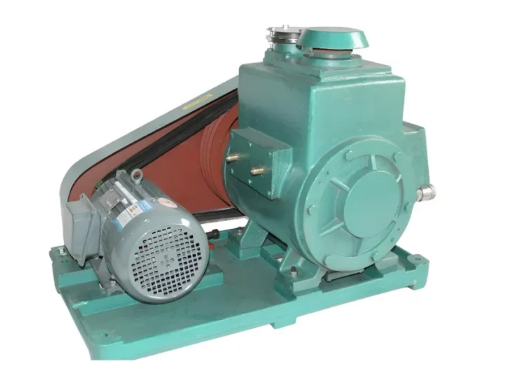
BOJIE lists food packaging among the applications for its 2XZ direct-driven rotary vane vacuum pump. The series has a gas ballast valve for small quantities of condensable vapor. Confirm model capacity and vapor tolerance against the packaging machine and product before selection.
What to Check When Evacuation Slows or Results Vary
Record the time and pressure at the end of evacuation. Compare an empty-chamber cycle with a representative loaded cycle using the same settings. Then check when the problem appears. A slow empty cycle points toward the machine or vacuum circuit. A problem that develops only with certain products or after repeated cycles can help narrow the search to product load, carryover, or operating conditions.
- Leaks and restrictions. Inspect the chamber gasket, hose connections, and vacuum valves. Check the inlet filter, suction hose, and any liquid trap for blockage or accumulated liquid.
- Pump condition. On an oil-sealed pump, check the oil level and condition against the manual. Cloudy oil can indicate moisture contamination. Check the gas ballast setting and service history, and verify that the pump reaches its expected performance under the manufacturer’s test conditions.
- Machine settings and seal quality. Verify the vacuum setpoint, timer, and pressure reading. If the chamber reaches its target but the pack loosens after venting, inspect the bag for pinholes and check the seal for wrinkles, moisture, or product residue.
- Changes during production. Compare the first cycle with cycles at normal line speed. Note changes in product temperature, pack loading, or vapor and liquid carryover that coincide with longer evacuation times.
What to Provide When Requesting a Quote
- Packaging machine capacity. Share the machine model, chamber volume or internal dimensions, bag sizes, and number of bags per cycle. For a shared vacuum system, include the machines that can call for vacuum at the same time.
- Production cycle. Specify the target absolute pressure, time available for evacuation, and cycles per minute. Separate evacuation time from the full cycle, which also includes sealing, venting, and handling.
- Food moisture and temperature. Describe whether the product is dry, damp, or releases free liquid. Include the packing temperature and any evidence of foaming, condensation, or particles entering the suction line.
For a replacement pump, include the existing model and any recorded pump-down times or pressure readings. Send these operating details when you request a quote from BOJIE so the pump can be evaluated at the pressure and cycle time your machine requires.