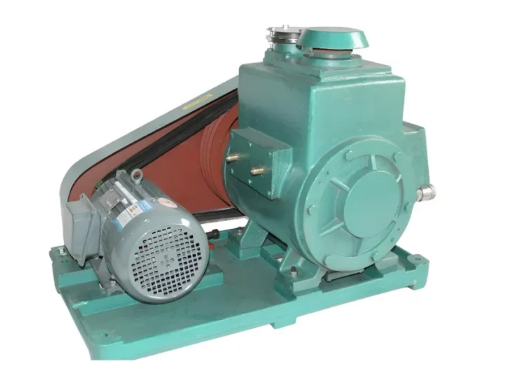
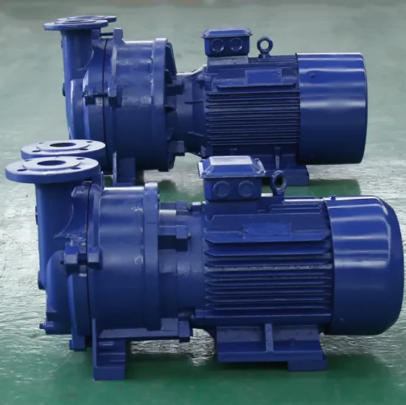
Vacuum drying removes water or another liquid from a material in a sealed vessel held below atmospheric pressure. Lowering the pressure lets the liquid boil at a lower temperature. The dryer supplies heat as needed, and a vacuum pump for drying removes air and handles the remaining vapor load, often with a condenser upstream of the pump.
How Is Vacuum Drying Different From Hot-Air Drying
In a typical hot-air dryer, moving air supplies heat and carries away moisture. A vacuum dryer lowers pressure inside a closed vessel and typically transfers heat through shelves, a jacket, or another heated surface. The lower pressure can let the process remove liquid while keeping the material at a lower temperature.
Drying still requires heat. As liquid evaporates, it draws heat from the product. Batch time therefore depends on how heat reaches the material, how easily liquid moves out of it, and how quickly the system handles the vapor. A larger pump can help if vapor removal limits the process. A thick product bed or limited heat transfer may call for changes to the dryer or loading arrangement.
Common Vacuum Drying Applications
- Food processing. Vacuum dryers can remove moisture from products such as fruit ingredients or concentrates when the process calls for lower product temperatures. The dryer and pump system must handle the vapor released by the wet load.
- Chemical manufacturing. Wet filter cakes, crystals, and powders may retain water or process solvent after separation. A condenser can collect condensable solvent upstream of the pump. Solvent identity determines material compatibility and influences the design of vapor recovery and exhaust handling.
- Pharmaceutical manufacturing. Vacuum drying can remove residual water or solvent from intermediates and active ingredients. The process team specifies the drying endpoint, product temperature limits, and equipment requirements for the material and facility.
How to Choose a Vacuum Pump for Drying
Water Vapor and Condensation
Estimate how much water leaves the material during the batch and when evaporation is highest. The condenser can remove part of this load before it reaches the pump. Its performance depends on the vapor conditions and coolant temperature. Size the pump for the gas and vapor that remain at the required operating pressure.
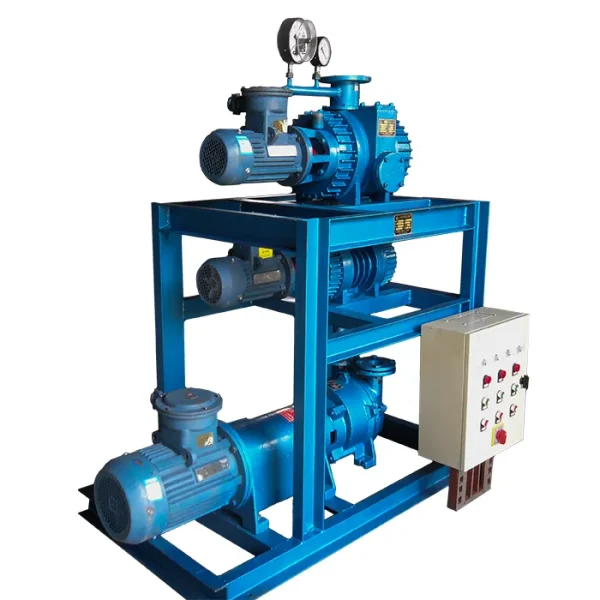
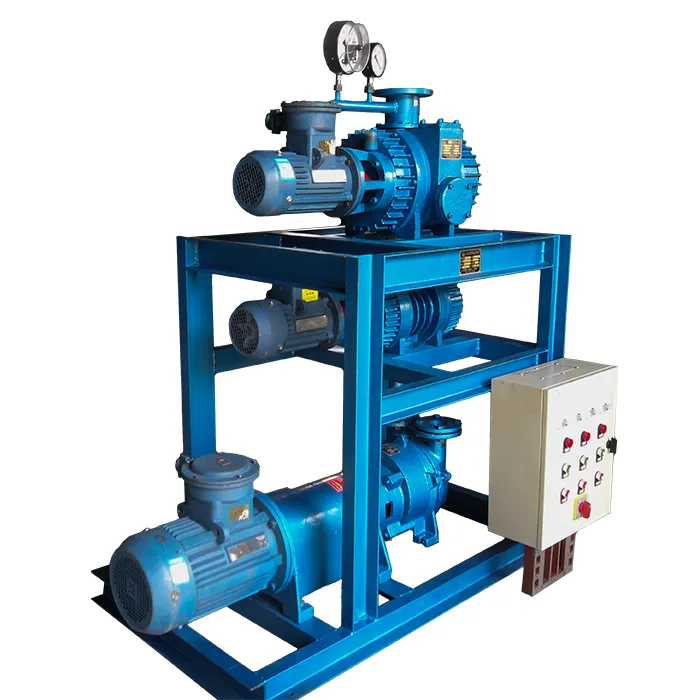
A liquid-ring pump can be considered for a wet gas stream where the required pressure, service-liquid temperature, and water handling are compatible. BOJIE’s JZJ2B and JZJS Roots water-ring vacuum systems pair a Roots stage with a water-ring backing pump for duties that include drying and dehydration.
Solvent Vapor and Pump Compatibility
Provide the solvent names and expected concentrations. For a dry screw system, check the compatibility of coatings, seals, and other wetted parts, along with how the system will handle condensation and exhaust. BOJIE’s JZJLG Roots screw vacuum pump unit is one configuration to evaluate for water or solvent vapor duties. Confirm the requirements for flammable or corrosive streams with the supplier during system design.
For a smaller duty with a limited condensable load, an oil-sealed rotary vane pump with gas ballast may be suitable. Check its vapor-handling limit and the pressure it can sustain with gas ballast in use. A trap or condenser may be needed to keep liquid out of the pump.
Drying Time and Working Pressure
Specify both the initial pump-down time and the time allowed to reach the moisture or residual-solvent target. The first depends in part on the empty volume and the pumping speed available at the vessel. The second depends on the vapor load, heating conditions, and how the material releases liquid. Ask for performance at the working pressure under load so you can compare proposals on the same basis.
What to Share With the Pump Supplier
Provide the dryer type and vessel volume, batch mass, starting and target moisture or residual-solvent content, liquid composition, allowable product temperature, operating pressure, and target cycle time. Include condenser details, available cooling-water temperature, and any observed foaming or solids carryover. If peak vapor load is unknown, share the batch conditions and any measured drying or condensate history when you contact BOJIE about your drying process.