A practical guide to system architecture, factory capability and an easier project start
Choosing a vacuum pumping system is easier when the discussion begins with your process rather than a model number. A complete system may combine a main pump, a backing pump, controls, instruments, separators, tanks, piping and other auxiliaries. The right combination creates the required vacuum where your equipment actually operates and gives your team a practical way to run and maintain it.
A capable vacuum pumping system factory turns your operating goal into an integrated configuration. For buyers, this means one partner can help connect process conditions, pump technology and the final package instead of leaving each component to be matched separately.
1. Why a Pumping System Is More Than a Single Pump
A bare pump is defined by its own performance range. An industrial process adds chamber volume, pipe resistance, gas load, vapor content, operating pressure, cycle time and changing conditions. A pumping system brings these elements together so the process reaches its target pressure at a useful speed and remains stable during operation.
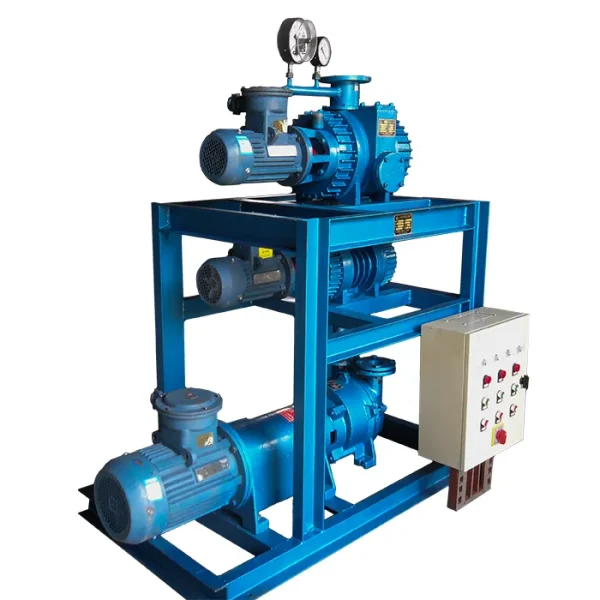
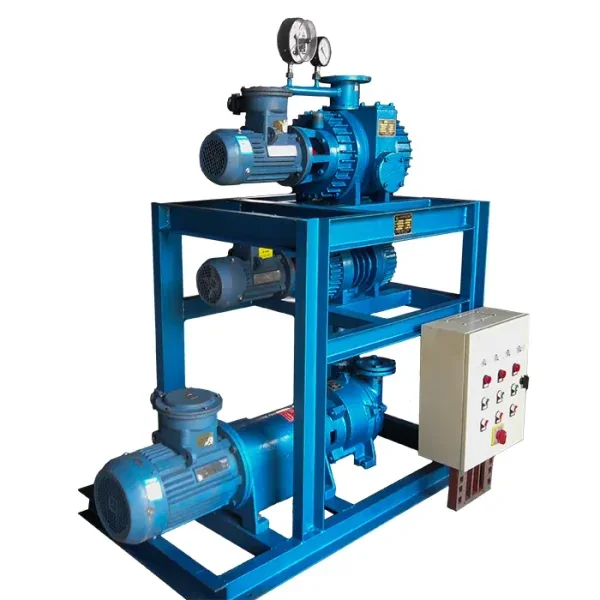
The main pump provides capacity in the desired pressure range. A forepump or backing pump supports it at higher pressure. Depending on the application, the package can also include a condenser or separator, a vacuum tank, gauges, valves, a control cabinet and a base frame. Factory-level integration helps ensure that start sequence, protection and connections work as one system.
2. Match the System Architecture to the Process
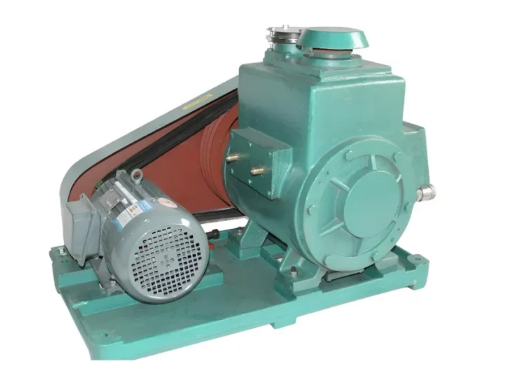
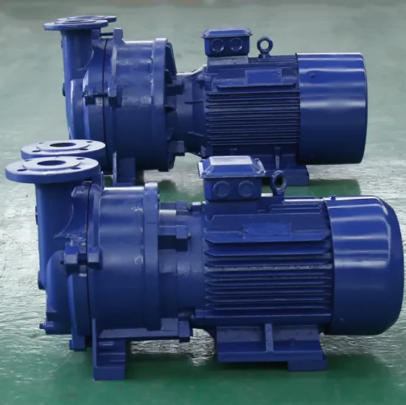
The gas stream and the desired vacuum level quickly narrow the available architectures. Bojie Pump offers water ring, screw, rotary vane, reciprocating, Roots and water-jet technologies, together with combined systems. Four common starting points illustrate how a factory can build around different operating needs.
Roots + Water Ring for Wet or Condensable Gas Loads
A Roots water ring vacuum unit combines a Roots main pump with a water ring forepump. Bojie’s JZJ2B and JZJS systems are presented for general gases as well as streams containing moisture or a small amount of dust. The product page identifies drying, dehydration and vacuum off-gas treatment in textile, food and chemical processes as typical applications.
This architecture is a useful starting point when vapor handling matters and the process benefits from stronger pumping performance at lower pressure than a single water ring pump provides. A closed-loop arrangement can also organize seal-liquid circulation and associated equipment within the package.
Roots + Screw for Clean, Oil-Free Operation
Processes seeking a dry vacuum path can begin with a Roots screw vacuum pump system. The JZJLG unit combines a ZJ Series Roots pump as the main pump with an LG Series screw forepump. Bojie describes it as a dry, oil-free solution for low-pressure industrial operation.
This configuration suits applications where clean operation and low-pressure performance are priorities. The factory can then consider the gas composition, process temperature, expected deposits and cleaning approach when developing the package around the pump pair.
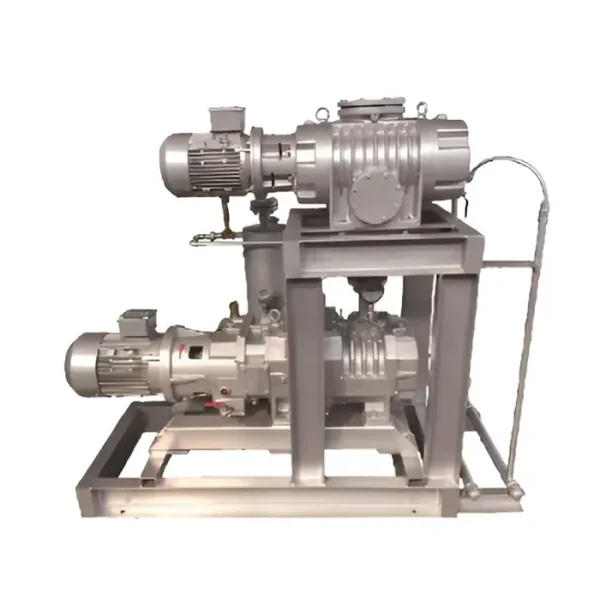
Roots + Rotary Vane for High Pumping Speed at Lower Pressure
The JZJX Roots rotary vacuum pump system uses a Roots pump with a 2X Series rotary vane forepump. Its product page highlights stable pumping speed toward the lower end of the operating range and applications including vacuum metallurgy, electrical capacitors, transformers, vacuum impregnation and coating-equipment pre-evacuation.
This pump pairing provides a compact route for established industrial processes that are compatible with an oil-sealed forepump. The working pressure, gas cleanliness and maintenance routine help determine whether it is the best fit for the project.
Negative Pressure Stations for Central or Intermittent Demand
A negative pressure vacuum station serves applications that need a ready vacuum source at multiple points or at intervals. Bojie’s ZF Series uses one or two water ring pumps with a vacuum tank for storage. The stored vacuum and automatic control arrangement can support frequent demand while organizing the pumps as a complete station.
This approach can suit centralized production use, hospital vacuum sources and other services where stable supply and automatic operation are more important than reaching a very deep vacuum.
3. How a Factory Turns Your Process Into a Configuration
A productive system discussion follows the gas through the process. The factory first identifies the pressure your equipment needs during normal operation, then considers how quickly the chamber or line should reach that pressure. Gas flow, vapor or liquid carryover, temperature and material compatibility guide the choice of pump and inlet protection.
The engineering team can then select the main and backing pumps, determine their operating sequence and add practical auxiliaries. A separator can help manage entrained liquid; a condenser can reduce condensable load; a tank can buffer demand; and instruments and controls can automate start-up, switching and protection. Connections, frame arrangement and access are planned around the installation and future service work.
This process-centered method also makes model comparison clearer. Pumping speed and ultimate pressure remain important, while the most useful choice is the system that delivers the required performance at your real working pressure with the actual gas stream.
4. What to Look for in a Vacuum Pumping System Factory
Begin with the breadth of relevant pump technologies. A factory with multiple vacuum pump and system families can compare architectures around the process instead of forcing every project toward one pump type. Bojie lists water ring, Roots, rotary vane, screw, reciprocating and water-jet products, as well as combined units and negative pressure stations.
| Factory capability | Why it helps your project |
|---|---|
| System matching | Connects pressure, gas load and cycle needs to a suitable pump combination. |
| Auxiliary integration | Brings separators, tanks, controls, valves and instruments into one package. |
| Material and motor options | Adapts wetted materials and electrical configuration to the application. |
| Clear technical documentation | Supports installation, operation, service and future spare-part planning. |
| Testing and quality management | Provides a defined process for checking the assembled equipment before shipment. |
| Technical support | Gives the buyer a direct route for configuration, commissioning and service questions. |
Company background can provide useful context for this evaluation. Bojie Pump states that it was founded in 2001, holds 16 utility model patents and has ISO 9001:2015, ISO 14001:2015 and ISO 45001:2018 certifications. Buyers can use these details together with the proposed system, documentation and communication quality when assessing the supplier.
5. From Factory Package to Site Installation
A well-prepared package gives the installation team a clear starting point. Before shipment, confirm the equipment arrangement, connection sizes, electrical supply, cooling or seal-liquid requirements, control interface and expected footprint. Drawings and a component list help the site team prepare foundations, piping, cables and service access while the system is being built.
Commissioning can then focus on checking rotation, utilities, valves, instruments, control sequence and operating response. Keeping the selected model list, drawings and recommended spare parts together also makes future maintenance easier. These deliverables turn a pump combination into equipment that your operators can understand and your maintenance team can support.
6. An Easy Way to Start Your Project
You can begin with a short description of the application, the gas or vapor being handled and the result you want—such as faster evacuation, stable process vacuum, cleaner operation or a centralized vacuum source. An equipment photo, current pump model or rough operating pressure is helpful when available.
From there, the Bojie Pump team can suggest a system family and guide the next technical details. You can use the contact page to share your project in your own words; a complete specification sheet is not needed for the first conversation.
Conclusion
The value of a vacuum pumping system factory lies in matching technologies and delivering them as a coordinated package. Wet gas loads may point toward Roots-water ring systems, clean oil-free processes toward Roots-screw units, established high-vacuum duties toward Roots-rotary vane combinations, and intermittent or centralized demand toward a negative pressure station.
Start with your process goal and let the factory help develop the configuration. Explore Bojie’s vacuum pumping systems or share your application, medium and desired result for an initial recommendation.