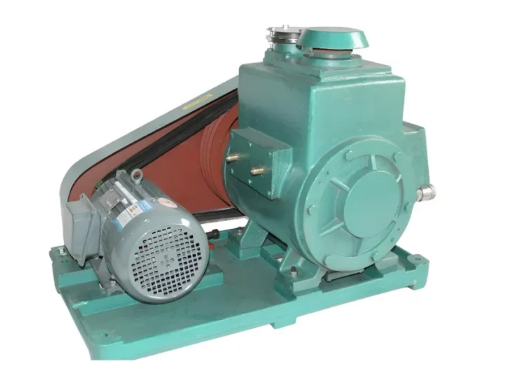
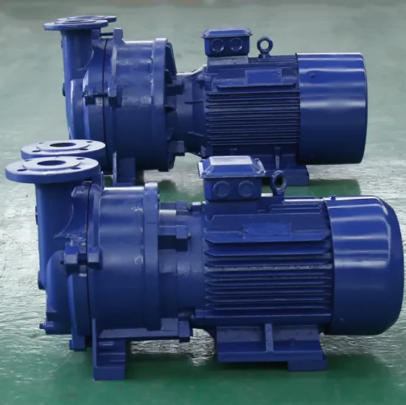
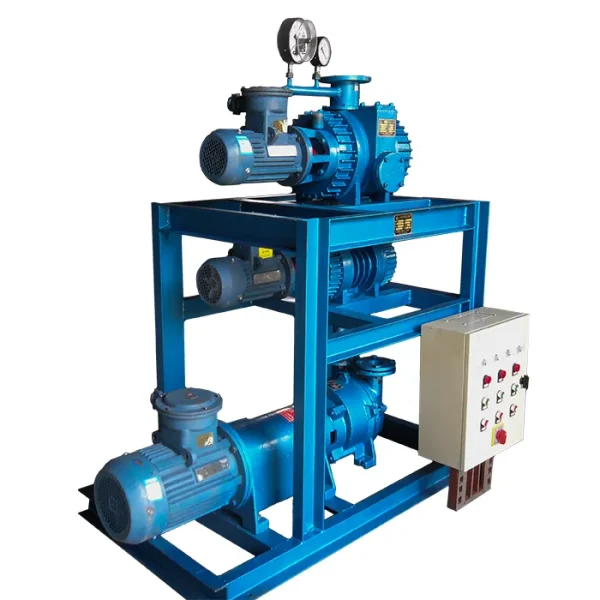
You need to know four key facts about the Vertical-Reciprocating-Vacuum-Pump. This pump uses a piston to create a strong vacuum without oil. You get efficient and reliable performance for many tasks. You often find these pumps in factories and labs. The design helps you save space and energy while keeping the air clean.
What Is a Vertical Reciprocating Vacuum Pump?
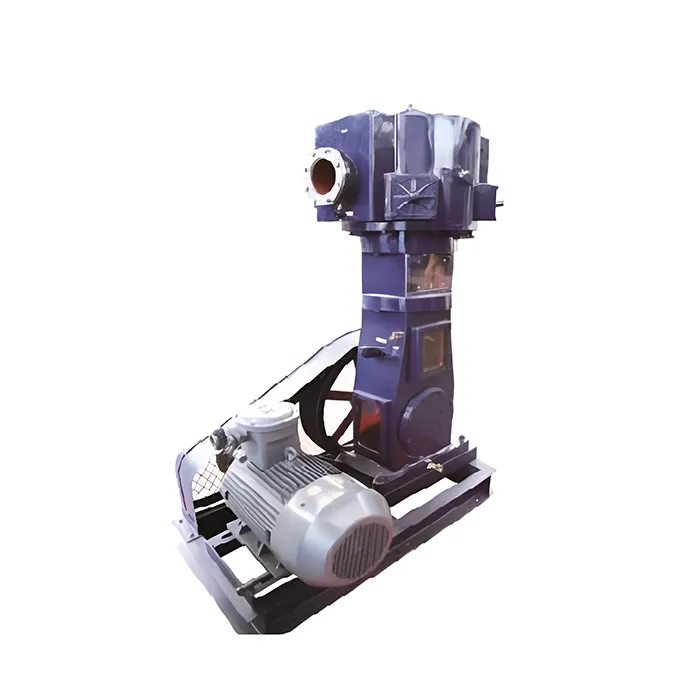
Definition
A Vertical-Reciprocating-Vacuum-Pump helps remove air or gas from a closed space. It works by moving a piston up and down inside a cylinder. The pump stands upright, so it does not take up much floor space. People use this pump in places like labs and factories where clean air is needed. This pump does not use oil, so there are no oil leaks or dirty air. The dry piston technology keeps the air pure and safe. You can count on this pump to give you a strong vacuum for your work.
Tip: Pick this pump if you want to keep your workspace clean and free from oil.
Main Features
When you check out the main features, you see many good things:
- The piston uses dry piston technology, so you do not need oil. This means you do not have to worry about oil making things dirty.
- The piston ring is made from self-lubricating materials. This helps the pump work well without extra oil.
- A sealing device keeps the crankcase and cylinder apart. This makes sure the pump stays oil-free.
- The vertical shape saves space. You can put the pump in small spots in your lab or factory.
- The pump works fast and gives you a strong vacuum every time.
This pump helps you keep your work area clean and safe. The design makes it easy to use and keeps the air fresh. If you want a simple pump that keeps your air clean, the Vertical-Reciprocating-Vacuum-Pump is a great choice.
How It Works
Operating Principle
To understand the Vertical-Reciprocating-Vacuum-Pump, watch how the piston moves. The pump works a lot like a bicycle pump. When the piston moves away from the cylinder head, it makes low pressure inside. This low pressure lets air or gas come in through a one-way suction valve. The piston keeps moving back and forth. This helps with pulling in air, squeezing it, and pushing it out. The pump repeats these steps again and again. That is how it makes a strong vacuum.
- The piston moves away from the cylinder head and makes low pressure.
- Low pressure pulls air or gas into the cylinder through a suction valve.
- The piston goes back and forth to help with suction, squeezing, and pushing out air.
- The pump repeats this to make a strong vacuum for you.
Note: The Vertical-Reciprocating-Vacuum-Pump does not use oil, so you always get clean air.
Mechanism
There are many important parts inside the Vertical-Reciprocating-Vacuum-Pump. Each part helps the pump work well and smoothly. The table below lists the main parts and what they do:
| Component | Description |
|---|---|
| Crankshaft | Held by special bearings, it turns and moves the big pulley. |
| Connecting Rod | Joins the crankshaft to the crosshead, helping the piston move. |
| Piston Rod | One end connects to the crankshaft, the other to the piston, so it can move back and forth. |
| Crosshead | Changes spinning motion from the rod into straight movement for the piston. |
| Motor | Turns the crankshaft with a small pulley and belt, starting the pump. |
| Oil Pool | Oils the moving parts like bearings and crankshaft while the pump runs. |
| Detachable Door Cover | Lets you open it to check and fix the moving parts inside. |
| Oil Window | Shows how much oil is in the oil pool for checking. |
The Vertical-Reciprocating-Vacuum-Pump is small, so it saves space in your lab or factory. You do not need much floor space, and you can attach the pump tightly so it will not fall over. Setting up the pump is like setting up other pumps, so it is not hard. If you install the pump the right way, it works better and is safer.
| Aspect | Description |
|---|---|
| Floor Space Usage | The small size means you need less space in labs. |
| Secure Mounting | Mounting the pump right keeps it safe and working well. |
| Installation Similarity | Setting up is like other pumps, so it is simple. |
Tip: Always check how the pump is set up and mounted to keep it safe and working well.
Advantages of Vertical-Reciprocating-Vacuum-Pump
Efficiency
The Vertical-Reciprocating-Vacuum-Pump works very well. It uses a simple piston that moves air fast and easily. This design helps save energy because it does not waste power. The pump stands upright, so it fits in small places. You can use your space better this way. The pump starts up quickly and gives a strong vacuum right away. You do not have to wait for it to warm up. Many people like this pump because it helps them finish work faster and with less effort.
Reliability
This pump is built to last a long time. It has a strong body and not many moving parts. Fewer parts mean there is less that can break. You can run the pump for hours without stopping. Many factories use this pump because it does not break down much. You do not have to worry about your work stopping because of pump issues. The pump is a good choice for places like semiconductor plants. These places need the pump to work well every day.
Tip: Pumps with fewer moving parts usually need less fixing.
Here is a table that shows how much care different pumps need:
| Pump Type | Maintenance Requirements | Key Features |
|---|---|---|
| Oil-Free Technologies | Need less care and have fewer oil problems | Best for places that need very clean air |
| Oil-Lubricated Systems | Need more care because of oil checks and cleaning | Last longer but can get oil in the air |
| Oil-Free Dry Rotary Vane Pumps | Need little care and are good for the environment | Great for clean and dry vacuum jobs with little work |
Oil-Free Operation
There are many good things about oil-free operation. Here are some key points:
- Oil-free pumps keep your work area clean and safe.
- You do not have to worry about oil leaks or spills.
- The pump does not make the air dirty, so it is better for nature.
- Oil-free pumps last longer and work better.
- You can use these pumps in places that need very clean air, like labs and clean rooms.
The oil-free design of the Vertical-Reciprocating-Vacuum-Pump helps you avoid oil problems. You can trust this pump to give you clean air and steady work every time.
Applications
Industrial Uses
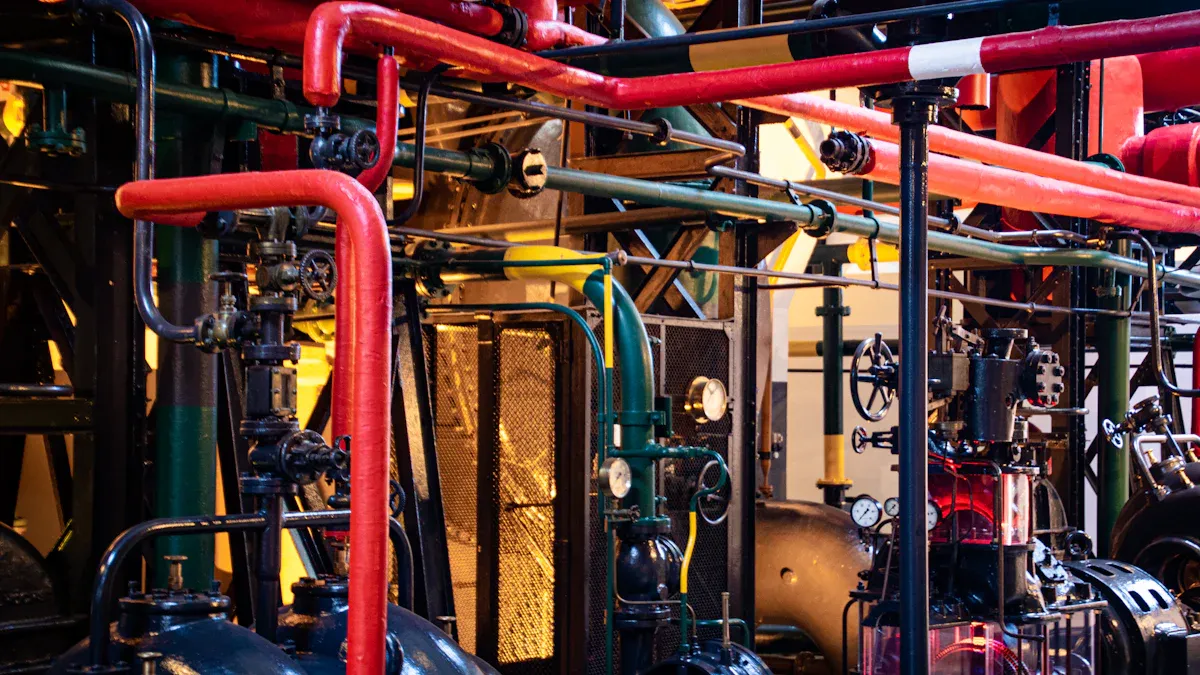
Vacuum pumps are used in many types of factories. You can find them in chemical plants and food factories. Electronics makers also use these pumps. They help keep the air clean and remove bad gases. These pumps work well even when the pressure changes. When picking a pump, you look at how it performs:
- Operational efficiency tells you how well the pump works at different pressures. You can see this by looking at the performance curve.
- Pumping capacity shows how much air the pump can move. This is measured in ACFM at different inlet pressures.
- Differential pressure is needed for the pump to work safely. The right pressure difference helps the pump run well.
Factories use these pumps to keep machines working right. The upright shape saves space and energy. You do not have to worry about oil leaks, so your workspace stays clean. Many industries use these pumps because they are safe and reliable.
Tip: Always look at the performance curve before choosing a pump for your factory.
Specialized Processes
These pumps are used where very clean air is needed. Labs and clean rooms use them for special tasks. The oil-free design stops contamination. You get a pump that fits your needs and lasts a long time. Advanced controls make your work safer and easier.
Here is a table that shows how these pumps help different jobs:
| Specialized Process | Benefits |
|---|---|
| Vacuum Distillation | Oil-free operation keeps the process pure and clean. |
| Pharmaceutical Production | Gives a clean vacuum, which keeps products pure. |
| Semiconductor Manufacturing | Makes low-pressure spaces needed for making products right. |
You also get these good things:
- Oil-free pumps lower the risk of contamination.
- You can change the pump to fit your job.
- Strong build means the pump lasts and works well.
- Advanced controls help you work safely and easily.
Note: Use these pumps when you need a clean and steady vacuum for important jobs.
Comparison with Other Vacuum Pumps
Unique Features
Vertical reciprocating vacuum pumps have special things that make them different. The pump stands up straight, so it takes up less room. The oil-free piston keeps your air clean and safe. You do not have to worry about oil leaks or dirty air. Other pumps often use oil, which can make a mess.
Some special things about vertical reciprocating vacuum pumps are:
- Vertical Design: The pump stands tall, so you use less space.
- Oil-Free Operation: Your air stays clean, and you skip oil problems.
- Dry Piston Technology: The pump works well and needs little care.
- Simple Maintenance: You do not spend much time fixing or cleaning it.
Tip: Pick a vertical reciprocating vacuum pump if you want a small, clean, and easy pump.
Performance Differences
You can see big differences when you look at how these pumps work. Some pumps, like rotary vane or diaphragm pumps, use oil or have more parts. These pumps need more care and can make the air dirty. Vertical reciprocating pumps are good for places that need clean air and steady vacuum.
Here is a table that shows how vertical reciprocating vacuum pumps are different from other pumps:
| Pump Type | Oil Usage | Space Needed | Maintenance | Air Purity | Best Use Cases |
|---|---|---|---|---|---|
| Vertical Reciprocating | None | Small | Low | High | Labs, Clean Rooms |
| Rotary Vane | Yes | Medium | High | Medium | General Industry |
| Diaphragm | None | Small | Medium | High | Medical, Lab |
| Liquid Ring | Yes | Large | High | Low | Chemical Processing |
Vertical reciprocating pumps start fast and give a steady vacuum. You do not have to wait for them to warm up. You also do not need to check or clean oil. Many people like these pumps for jobs that need clean and steady vacuum.
Note: Always pick the right pump for your job. Vertical reciprocating vacuum pumps give you clean air and are easy to use for many jobs.
You now know four key things about vertical reciprocating vacuum pumps. These pumps use a dry piston and do not need oil. They save space and work well for many jobs. The pump helps keep the air clean in your workspace. When picking a pump, look at its features and how it works. Experts say you should check and care for your pump often. Make sure to clean intake valves and watch important signs. This helps your pump work well and last longer. Knowing these tips helps you choose wisely and keeps your area safe.