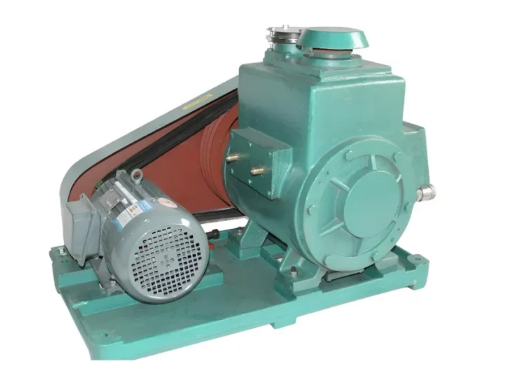
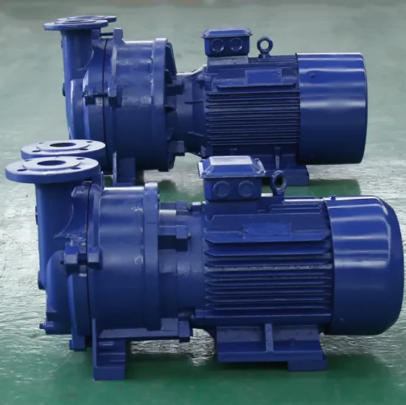
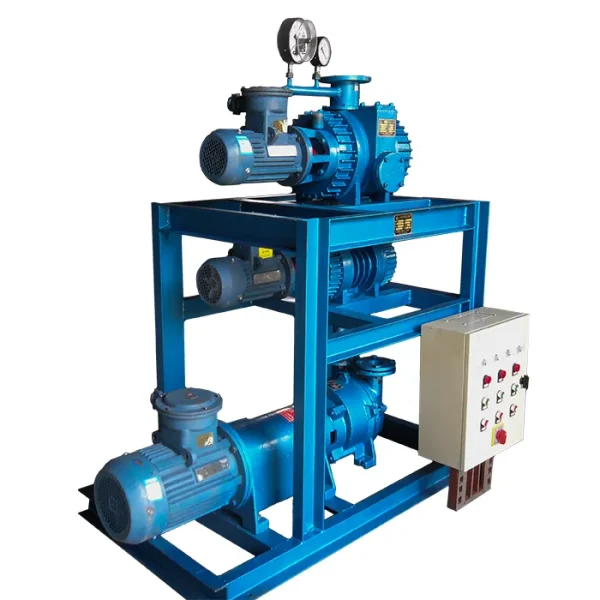
You often see the words centrifugal pump and reciprocating pump when you look at machines that move liquids. The main differences are in how each pump moves the liquid. Centrifugal pumps give high flow rates because they use spinning impellers. Reciprocating pumps use pistons or plungers for better control and more pressure. If you know how these pumps work, you can pick the right one for your job.

Overview
Centrifugal Pump Basics
You often see centrifugal pumps in homes, factories, and farms. These pumps use a spinning part called an impeller to move water or other liquids. When you turn on a centrifugal pump, the impeller spins fast. This spinning action pushes the liquid outward, away from the center. The liquid then flows out through a pipe. You get a steady stream of water because the pump works in a continuous cycle.
Centrifugal pumps have some important features:
- They use impellers to move liquids.
- They give you a constant flow of liquid.
- They usually weigh less than other pumps.
- You often find them at a lower price.
You can use a centrifugal pump for many jobs. These pumps work well when you need to move a lot of water quickly. They also handle thick or sticky liquids better than some other pumps. You might see them in irrigation systems, water supply lines, or even in your washing machine.
Reciprocating Pump Basics
A reciprocating pump works in a different way. You find a piston or plunger inside the pump. When the piston moves back and forth, it pulls liquid in and then pushes it out. This action happens in steps, so the flow is not as smooth as with a centrifugal pump.
Here are some key points about reciprocating pumps:
- They use pistons or plungers to move liquids.
- They do not give a steady flow; the liquid comes out in pulses.
- They can create high pressure, which helps when you need to move liquid uphill or into a tank.
- These pumps often cost more and weigh more than centrifugal pumps.
You might choose a reciprocating pump when you need to move a small amount of liquid with great force. These pumps work well in oil refineries, chemical plants, or places where you need to measure the exact amount of liquid moved. When you compare a centrifugal pump and reciprocating pump, you see that each has a special job.
Working Principle
Centrifugal Pump Mechanism

A centrifugal pump has a spinning impeller inside. The impeller looks like a wheel with blades. The motor turns the impeller very fast. Liquid enters the center of the impeller. The blades push the liquid in a circle. This makes centrifugal force. The liquid gets faster and gains pressure as it moves out. The liquid leaves the pump in a steady stream.
Tip: Centrifugal pumps are good for jobs needing steady flow.
You can learn the science by looking at these ideas:
| Principle | Explanation |
|---|---|
| Energy Conversion | The pump changes spinning energy from the motor into moving energy for the liquid. |
| Fluid Dynamics | The liquid goes into the impeller, gets faster, and moves out with more pressure. |
| Angular Momentum | The spinning impeller uses turning force to keep the liquid moving in a circle. |
| Mechanical Energy Transfer | The impeller gives energy from the motor to the liquid, making it move faster and with more pressure. |
These ideas show why centrifugal pumps move lots of liquid fast. People pick this pump for easy use and little upkeep.
Reciprocating Pump Mechanism
A reciprocating pump has a piston or plunger inside a cylinder. The piston moves back and forth in a straight line. When the piston pulls back, it makes a vacuum. This vacuum pulls liquid into the cylinder. When the piston pushes forward, it pushes the liquid out through a valve. The liquid comes out in bursts, not a steady stream.
Note: Reciprocating pumps give better control, but the flow is not smooth.
This pump is good for moving small amounts of liquid with high pressure. You can use it for careful jobs, like adding chemicals or pumping oil. The design lets you move thick liquids or liquids with bits in them. You see reciprocating pumps where you need to be exact.
When you look at both pumps, you see they work differently. Centrifugal pumps use spinning and force. Reciprocating pumps use back-and-forth motion and pressure.
Pressure and Speed
Pressure Head Comparison
When you look at pumps, you often hear the term “pressure head.” This means how much pressure the pump can create to move liquid up to a certain height. You need to know this if you want to push water up a hill or into a tall tank.
Centrifugal pumps give you a steady flow, but they do not create very high pressure. You usually use them when you need to move a lot of water, but not very high. For example, you might use a centrifugal pump to fill a swimming pool or water a field. The pressure head is lower, so the water does not go up very far.
Reciprocating pumps work differently. They can create much higher pressure. You use these pumps when you need to move water to a high place or push it through a long pipe. For example, you might use a reciprocating pump in a car wash or a factory where you need strong water jets.
Tip: If you need to move liquid to a high place, choose a reciprocating pump. If you need to move a lot of liquid, but not very high, a centrifugal pump works better.
| Pump Type | Pressure Head (Typical) | Best Use Case |
|---|---|---|
| Centrifugal Pump | Low to Medium | High flow, low height |
| Reciprocating Pump | High | High pressure, tall heights |
Speed Differences
Speed means how fast the pump parts move. Centrifugal pumps run at high speeds. The impeller spins quickly, so you get a steady stream of water. You often see these pumps running for long hours without stopping. They work best when you need a constant flow.
Reciprocating pumps move slower. The piston or plunger goes back and forth. This action takes more time, so the flow comes in pulses. You get bursts of water instead of a smooth stream. These pumps do not run as fast as centrifugal pumps, but they give you more control.
- Centrifugal pumps: High speed, steady flow, good for big jobs.
- Reciprocating pumps: Slow speed, pulsed flow, good for careful or high-pressure jobs.
Remember: Speed affects how smooth the water comes out. Choose the pump that matches your job’s needs.
Flow and Capacity
Flow Rate
You need to know how much liquid a pump can move in a certain amount of time. This is called the flow rate. Centrifugal pumps give you a steady and high flow rate. You see water coming out smoothly and quickly. These pumps work best when you want to move a lot of water at once.
Reciprocating pumps work differently. They move liquid in small bursts. The flow comes out in pulses, not a smooth stream. You get more control over the amount of liquid, but the total flow rate stays lower than with centrifugal pumps.
Tip: If you want a strong, steady stream of water, pick a centrifugal pump. If you need to measure or control the flow very closely, a reciprocating pump works better.
Here is a quick look at the flow rate for each pump:
| Pump Type | Flow Rate (Typical) | Flow Pattern |
|---|---|---|
| Centrifugal Pump | High (up to thousands of liters per minute) | Smooth and steady |
| Reciprocating Pump | Low to Medium (few to hundreds of liters per minute) | Pulsed and controlled |
Quantity Handled
You also need to think about how much liquid the pump can handle over time. Centrifugal pumps can move large amounts of water or other liquids. You often see them in places where you need to fill tanks, pools, or irrigate fields. These pumps do not get tired easily and can run for long hours.
Reciprocating pumps handle smaller amounts of liquid. You use them when you need to move a set amount of liquid with high pressure. These pumps work well for jobs that need careful measurement, like adding chemicals to water or pumping oil in small batches.
- Centrifugal pumps: Best for big jobs with lots of liquid.
- Reciprocating pumps: Best for small, precise jobs.
Remember: Always match the pump to your job. If you need to move a lot of liquid fast, choose a centrifugal pump. If you need accuracy and high pressure, a reciprocating pump is your best choice.
Efficiency
Centrifugal Pump Efficiency
Centrifugal pumps are used when you need to move lots of water. These pumps work best at their set speed and flow. The pump is most efficient at the rate it was made for. If you use it outside this range, it does not work as well.
Centrifugal pumps have fewer moving parts inside. This means there is less friction and less heat. You save money on electricity when the pump runs smoothly. The pump does not break down quickly, so you spend less on repairs.
Tip: Clean the pump often and check the impeller for damage to help it work better.
Here is a simple chart about centrifugal pump efficiency:
| Feature | Centrifugal Pump Efficiency |
|---|---|
| Best Efficiency Point | 50% to 85% |
| Energy Losses | Low |
| Maintenance Needs | Low |
Pick a centrifugal pump for jobs that need steady flow and low energy use.
Reciprocating Pump Efficiency
Reciprocating pumps work in a different way. These pumps give high pressure, but use more energy for each burst. The piston or plunger moves back and forth, which makes more friction. Some energy is lost as heat. You need to check the pump often for leaks or worn parts.
Reciprocating pumps lose more energy from moving parts. They are good for small, careful jobs, but cost more to run. You also need to do more maintenance.
Note: Change worn seals and keep the pump oiled to help it work better.
Here is a chart for reciprocating pump efficiency:
| Feature | Reciprocating Pump Efficiency |
|---|---|
| Best Efficiency Point | 40% to 60% |
| Energy Losses | Medium to High |
| Maintenance Needs | Medium to High |
Use a reciprocating pump when you need high pressure and exact control, even if it uses more energy.
Viscosity Handling
High Viscosity Liquids
You may need to move thick liquids like oil, syrup, or sludge. These liquids have high viscosity. Viscosity means how sticky or thick a liquid is. When you use a pump for high viscosity liquids, you must think about how well the pump can handle the extra resistance.
Reciprocating pumps work better for thick liquids. The piston or plunger moves the liquid in small, strong bursts. This action helps push thick liquids through pipes. You get more control and less chance of clogging. Centrifugal pumps do not handle high viscosity well. The impeller spins fast, but thick liquids slow it down. The pump loses efficiency and may not move the liquid at all.
Tip: If you need to pump honey, oil, or mud, choose a reciprocating pump for better results.
Here is a quick comparison:
| Pump Type | High Viscosity Handling | Best Use Example |
|---|---|---|
| Centrifugal Pump | Poor | Not recommended |
| Reciprocating Pump | Good | Oil, syrup, sludge |
Low Viscosity Liquids
You often need to move water, milk, or other thin liquids. These have low viscosity. Centrifugal pumps shine in these jobs. The impeller spins easily and moves the liquid fast. You get a steady flow with little effort. Reciprocating pumps can also move thin liquids, but they do not work as fast or as smoothly.
- Centrifugal pumps: Best for water, juice, or other runny liquids.
- Reciprocating pumps: Can handle thin liquids, but not as efficient for large jobs.
Note: For most home and farm jobs, you will want a centrifugal pump for thin liquids.
When you pick a pump, always check the viscosity of your liquid. This step helps you choose the right pump and avoid problems later.
Maintenance and Cost
Initial Cost
When you look at pumps, you see price differences. Centrifugal pumps cost less when you first buy them. They have a simple design with fewer parts. Companies make lots of them, so the price stays low. You can find centrifugal pumps in many stores or online for a good price.
Reciprocating pumps cost more to buy. They have more parts inside, like pistons and valves. These parts need to fit together just right. The pump is built to handle hard jobs and last a long time. If you need a pump for strong pressure or thick liquids, you pay more at first.
Here is a quick comparison:
| Pump Type | Initial Cost ($) | Reason for Cost |
|---|---|---|
| Centrifugal Pump | Low to Medium | Simple design, mass production |
| Reciprocating Pump | Medium to High | Complex parts, precision assembly |
Tip: Want to spend less at first? Pick a centrifugal pump. If you need more power and strength, a reciprocating pump is worth the extra money.
Maintenance Needs
Think about maintenance before you choose a pump. Centrifugal pumps are easy to care for. You clean the impeller and check the pump sometimes. There are not many parts that can break. You do not spend much time or money fixing it.
Reciprocating pumps need more care. You check the piston, cylinder, and valves often. These parts move a lot and wear out faster. You have to change seals and add oil to keep it working. Over time, you spend more on repairs.
Here are some jobs you do for each pump:
- Centrifugal Pump Maintenance:
- Clean the impeller
- Check for leaks
- Inspect bearings
- Reciprocating Pump Maintenance:
- Replace worn seals
- Lubricate moving parts
- Check valves and piston
Note: Taking care of your pump helps it last longer. If you want less work, pick a centrifugal pump. If you need strong pressure and control, be ready to do more maintenance with a reciprocating pump.
Energy Use
Centrifugal Pump Energy
You will notice that centrifugal pumps use energy in a smooth and steady way. The motor spins the impeller, and this action moves the liquid. Most of the energy goes into keeping the impeller turning at a constant speed. You get the best results when the pump runs at its designed flow rate.
Centrifugal pumps work best with thin liquids like water. You do not need much energy to move these liquids. The pump uses less electricity when you match the flow rate to the job. If you try to pump thick liquids or run the pump at a lower speed, you waste energy.
💡 Tip: Always check the pump’s flow rate and match it to your needs. This step helps you save energy and money.
Here is a quick look at centrifugal pump energy use:
| Feature | Centrifugal Pump Energy Use |
|---|---|
| Energy Efficiency | High (at best flow rate) |
| Power Consumption | Low to Medium |
| Best for | Continuous, large volume |
You can run a centrifugal pump for long hours without using too much power. This pump works well for jobs that need steady flow and low energy costs.
Reciprocating Pump Energy
Reciprocating pumps use energy in a different way. The motor moves a piston or plunger back and forth. Each stroke pushes liquid out in a burst. You need more energy for each movement, especially when you pump thick liquids or create high pressure.
You will see that reciprocating pumps use more electricity than centrifugal pumps. The moving parts create friction, and some energy turns into heat. You must check the pump often to keep it running well. If you let parts wear out, the pump uses even more energy.
⚠️ Note: Keep the pump clean and replace worn parts. This action helps you avoid wasting energy.
Here is a table to compare reciprocating pump energy use:
| Feature | Reciprocating Pump Energy Use |
|---|---|
| Energy Efficiency | Medium to Low |
| Power Consumption | Medium to High |
| Best for | High pressure, small volume |
You should use a reciprocating pump when you need strong pressure or exact control. Be ready to spend more on electricity and maintenance.
Advantages and Disadvantages
Centrifugal Pump Pros and Cons
You see centrifugal pumps in many places because they offer several advantages. You get a simple design that makes them easy to use and maintain. These pumps give you a steady flow, which works well for jobs like watering gardens or filling pools. You spend less money on repairs since there are fewer moving parts. You also pay less when you buy one.
Tip: Centrifugal pumps work best with thin liquids like water.
However, you face some limitations. Centrifugal pumps do not handle thick liquids well. You cannot use them for high-pressure jobs. Sometimes, you need to prime the pump before it starts working. If air gets inside, the pump may stop moving liquid.
Here is a quick table to help you compare:
| Pros | Cons |
|---|---|
| Simple design | Poor for thick liquids |
| Low cost | Low pressure |
| Easy maintenance | Needs priming |
| Steady flow | Loses efficiency with air |
Reciprocating Pump Pros and Cons
Reciprocating pumps give you strong pressure and precise control. You use them for thick liquids or when you need to measure exact amounts. These pumps work well in factories and chemical plants. You can move liquid uphill or into tanks with ease.
Note: Reciprocating pumps handle tough jobs but need more care.
You also face some disadvantages. Reciprocating pumps cost more and weigh more. You spend extra time on maintenance because the moving parts wear out faster. The flow comes in bursts, not a smooth stream. You may hear more noise when the pump runs.
Here is a table for quick reference:
| Pros | Cons |
|---|---|
| High pressure | Higher cost |
| Precise control | More maintenance |
| Handles thick liquids | Pulsed flow |
| Good for exact dosing | Noisy operation |
When you compare centrifugal pump and reciprocating pump, you see that each type fits different jobs. You should think about efficiency, simplicity, control, and the kind of liquid you need to move.
Applications
Centrifugal Pump Uses
Centrifugal pumps are found in many places. They move lots of liquid easily. These pumps work best for steady flow and low pressure. You see them in homes, schools, and factories.
Common uses for centrifugal pumps:
- Water supply systems: These pumps move water in buildings.
- Irrigation: Farmers use them to water crops in fields.
- Cooling systems: Factories use them to cool machines.
- Firefighting: Fire trucks spray water using these pumps.
- Washing machines and dishwashers: These pumps help move water in and out.
💡 Tip: Use a centrifugal pump when you need to move lots of water quickly and smoothly.
Here is a table to show where you use a centrifugal pump:
| Application Area | Example Use |
|---|---|
| Home | Water supply, appliances |
| Agriculture | Irrigation, drainage |
| Industry | Cooling, circulation |
| Emergency Services | Firefighting |
Reciprocating Pump Uses
Reciprocating pumps are good for high pressure or careful control. You use these pumps for special jobs. They move thick liquids or measure exact amounts.
Typical uses for reciprocating pumps:
- Oil and gas industry: These pumps move oil, chemicals, or fuel.
- Chemical plants: They add exact chemicals to mixtures.
- Hydraulic systems: Machines use them for strong movement.
- High-pressure cleaning: Car washes use these pumps for cleaning.
- Medical equipment: Some hospital machines use these pumps for careful dosing.
⚠️ Note: Choose a reciprocating pump for thick liquids or strong pressure.
Each pump works best for different jobs. When you know what you need, you can pick the right pump.
Centrifugal Pump and Reciprocating Pump Selection
Choosing the Right Pump
You need to look at your job before you pick a pump. Start by thinking about the liquid you want to move. If you need to move water or other thin liquids, a centrifugal pump works well. This pump gives you a steady flow and uses less energy. If you need to move thick liquids like oil or syrup, choose a reciprocating pump. This pump handles sticky or heavy liquids better.
Check the pressure you need. If your job needs high pressure, such as moving liquid uphill or into a tall tank, a reciprocating pump is the best choice. For jobs that need a lot of liquid moved quickly but not very high, a centrifugal pump is better.
Look at the flow rate. If you want a strong, steady stream, use a centrifugal pump. If you need to control the amount of liquid very closely, use a reciprocating pump. Always match the pump to your needs.
🛠️ Tip: Write down your job’s needs before you buy a pump. This step helps you make the right choice.
Application Tips
You can use these tips to help you decide between a centrifugal pump and reciprocating pump:
- Use a centrifugal pump for irrigation, water supply, or cooling systems.
- Pick a reciprocating pump for chemical dosing, oil transfer, or high-pressure cleaning.
- Always check the viscosity of your liquid.
- Think about how much maintenance you want to do.
- Choose a pump that fits your budget and job size.
| Factor | Best Pump Type | Example Use |
|---|---|---|
| High Flow | Centrifugal Pump | Filling pools |
| High Pressure | Reciprocating Pump | Car wash jets |
| Thick Liquids | Reciprocating Pump | Pumping oil |
| Low Cost | Centrifugal Pump | Home water supply |
Remember, the right pump makes your job easier and saves you money.
You now know the main differences between centrifugal pump and reciprocating pump. Use a centrifugal pump when you want steady flow and low cost. Pick a reciprocating pump for high pressure or thick liquids. Always check your job’s needs before you choose. Think about efficiency, price, and how much care each pump needs.