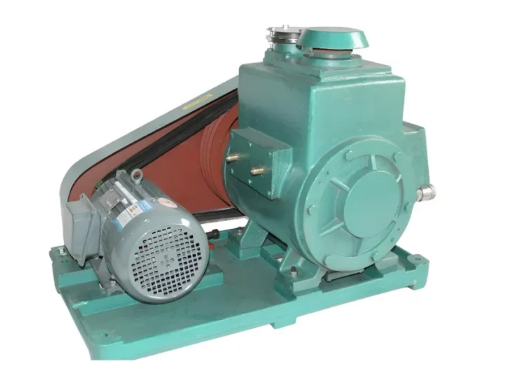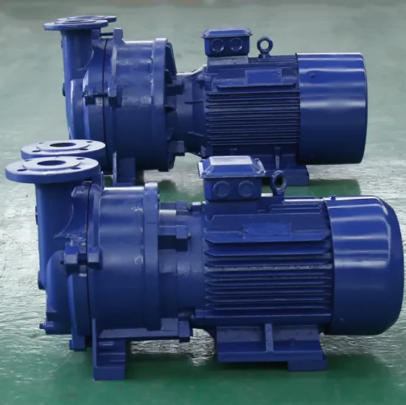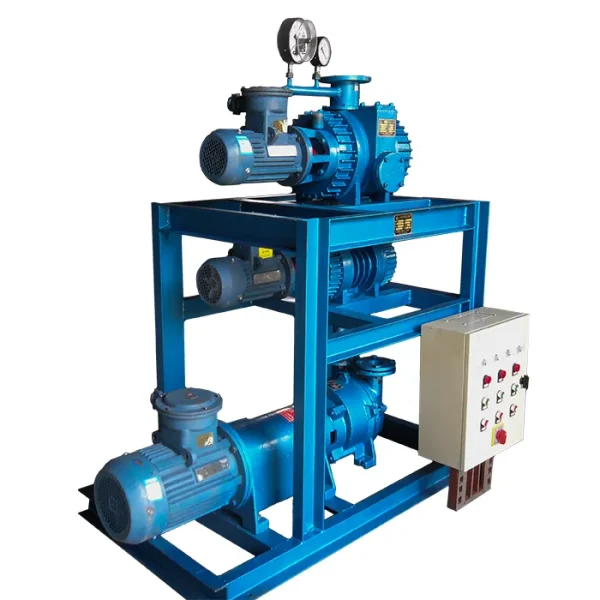
A reciprocating vacuum pump is useful for many tasks. It can create strong vacuums and work with different gases well. Its sturdy build makes it work reliably in tough places. This pump works great in labs and factories needing accuracy and strength. To know if it fits your needs, think about your task, upkeep ability, and cost.
Key Takeaways
Reciprocating vacuum pumps make strong vacuums, perfect for labs or factories needing precision.
These pumps work well, using over 90% efficiency in small tasks, saving energy and money.
They last long because they have fewer moving parts, needing less fixing.
Think about how deep the vacuum goes and repair costs to pick the right pump for your needs.
Make sure it works with your current setup to avoid extra costs and keep things running smoothly.
Key Features and Benefits of a Reciprocating Vacuum Pump
How a Reciprocating Vacuum Pump Works
A reciprocating vacuum pump uses a simple positive displacement system. It pulls gas in through an inlet valve. The gas is compressed inside a cylinder. Then, it is pushed out through an outlet valve. This cycle repeats with every piston stroke. This keeps the vacuum steady and reliable. The pump can handle the same gas volume, even if vacuum levels change.
Did you know? Positive displacement pumps keep working steadily unless backstreaming happens. This helps them perform well in different conditions.
These pumps are also very efficient. For instance, they can reach over 90% efficiency in low-flow tasks. This makes them a great choice for jobs needing accuracy and dependability.
Performance and Vacuum Depth Capabilities
Reciprocating vacuum pumps are great at creating strong vacuums. They can reach pressures between 1330 and 2660 Pa. Their pumping speed ranges from 50 L/S to 600 L/S. This makes them useful for many tasks.
Here’s a quick look at their performance:
Metric | Value |
|---|---|
Limit Pressure | 1330-2660 Pa |
Pumping Speed Range | 50 L/S to 600 L/S |
These pumps work well in tough situations. For example:
They stay over 90% efficient in low-flow tasks.
They handle thick liquids better than centrifugal pumps.
Their ability to create deep vacuums and adapt to different needs makes them useful in labs and factories.
Durability and Efficiency in Demanding Environments
Reciprocating vacuum pumps are built to last. Their strong design helps them work well in tough places. They have fewer moving parts, which means fewer breakdowns and less maintenance.
Tests show how tough they are:
Parameter | Result |
|---|---|
Leakage rate at speed < 2.85 mm/s | 10−11 Pa m³/s |
Effect of reciprocating speed | Vacuum stays steady at first, then improves with speed |
Effect of reciprocating stroke | Vacuum stays steady at first, then improves with stroke |
These tests show the pump works well at different speeds and strokes. It also handles pressure drops without losing much efficiency. This makes it reliable for a long time.
Choosing a reciprocating vacuum pump means getting a tool that is efficient, strong, and flexible. It’s a smart pick for jobs needing steady performance in hard conditions.
Uses of Reciprocating Vacuum Pumps in Labs and Factories
Lab Uses
Reciprocating vacuum pumps are important tools in labs. They create exact vacuum levels for research work. These pumps help with distillation, evaporation, and filtration. They also work well for drying and crystallization tasks.
Here’s a simple look at their lab performance:
Metric | Details |
|---|---|
Pumping Speed | 50L/S to 600L/S, good for many lab tasks. |
Limit Pressure | 1330-2660 Pa, perfect for low vacuum needs. |
Applications | Used in distillation, vacuum impregnation, and chemical processes. |
Suitability | Works with non-corrosive gases and no solid particles. |
Drawbacks | Vibrations and complex design need careful handling. |
These pumps are great for handling safe gases, making them useful for research.
Factory Uses
In factories, these pumps handle tough jobs well. They create vacuums from 27 to over 29 inches of mercury (Hg). This makes them good for packaging, molding, and moving materials. They keep working steadily even when conditions change.
Key factory performance details:
Metric | Details |
|---|---|
Vacuum Levels | 27 to over 29 in. Hg under different conditions. |
Flow Rates | Makes strong vacuums with lower flow rates than other pumps. |
Power Needs | Uses less power than air compressors at low flow rates. |
Efficiency | Measured by free-air capacity compared to power used. |
Heat Effects | High heat can shorten life, especially with stop-and-go use. |
These pumps save energy, lowering costs for big factories.
Special Uses
These pumps are great for special tasks needing accuracy. For example, they remove air from materials in vacuum impregnation. In food work, they help with vacuum packaging to keep food fresh longer. They are also used in medical work like sterilization and surgeries.
Their ability to handle different gases and pressures makes them flexible. Whether in aerospace, medicine, or electronics, these pumps meet unique needs.
Factors to Think About When Picking a Reciprocating Vacuum Pump
Vacuum Depth and Job Needs
When choosing a reciprocating vacuum pump, think about how deep the vacuum needs to be. The vacuum level and leak rates are important for picking the right pump. As the vacuum gets closer to the pump’s limit, keeping it steady gets harder. A stronger pump might be needed for stable performance.
Things to check for vacuum depth:
Can the pump reach the needed vacuum level easily?
Do leaks in the system affect how well the pump works?
Are the chamber materials good for the pump’s performance?
If your work uses delicate materials or needs exact vacuum levels, pick a pump that is accurate and reliable. A reciprocating vacuum pump is great for jobs needing a steady vacuum in tricky conditions.
Maintenance and Running Costs
Knowing how much it costs to keep a reciprocating vacuum pump running is important. These pumps cost more at first but save money later because they last long and work well. Regular care, like checking parts and fixing worn-out ones, keeps the pump working smoothly and avoids downtime.
Here’s a cost comparison of different pumps:
Pump Type | Start Cost | Yearly Maintenance Cost | Energy Cost |
|---|---|---|---|
Reciprocating Vacuum Pump | $786 | $337 | $242 |
Ejector (no air-saving) | $371 | N/A | $1,066 |
Ejector (with air-saving) | $371 | N/A | $266 |
As shown, reciprocating vacuum pumps cost more upfront but save money on energy and repairs. This makes them a smart choice for jobs needing steady and efficient performance.
Why care matters:
Regular checks stop sudden breakdowns.
Fixing parts on time makes the pump last longer.
Lower running costs make up for the higher start price.
Looking at the costs and benefits helps you pick the right pump for your budget and needs.
Fit with Current Systems and Workflows
Before buying a reciprocating vacuum pump, check if it works with your current setup. The pump should fit without big changes. Things like connection types, control systems, and space size matter when deciding.
Questions to ask:
Will the pump fit in the space you have?
Are the inlet and outlet connections right for your setup?
Can the pump handle the gases or materials you use?
For example, if your system uses safe gases, a reciprocating vacuum pump is a good pick. Its strong design and flexibility make it useful for many jobs. But make sure the pump matches your needs to avoid problems or extra costs.
Tip: Always check the pump’s details and compare them with your system to find the best fit.
By thinking about these points, you can choose a reciprocating vacuum pump that works well and fits into your setup easily.
Comparing Reciprocating Vacuum Pumps to Other Types
Reciprocating Vacuum Pumps vs. Rotary Vane Pumps
Rotary vane pumps and reciprocating vacuum pumps work differently. Rotary vane pumps are great for steady vacuum tasks. They use spinning vanes to trap and compress gas. This makes them quieter and smaller. But, they often need oil, which can cause contamination in clean spaces.
Reciprocating vacuum pumps use pistons to compress gas. This design lets them handle higher pressures and flow rates. They are better for tough jobs, like managing thick liquids or changing vacuum levels.
Feature | Reciprocating Vacuum Pumps | Rotary Vane Pumps |
|---|---|---|
Mechanism | Piston-based | Rotating vanes |
Vacuum Level | High | Moderate |
Maintenance | Less frequent | Needs regular oiling |
Noise Level | Louder | Quieter |
Reciprocating Vacuum Pumps vs. Diaphragm Pumps
Diaphragm pumps are made for clean tasks. They use a flexible diaphragm to create a vacuum. This makes them good for labs and medical work. These pumps reach vacuum levels of about 28.5 inches of mercury (Hg). Their flow rates are around 4–5 cubic feet per minute (cfm).
Reciprocating pumps handle higher pressures and flow rates. Their piston design works well in factories. However, they can be noisy, which may not suit quiet places.
Key differences:
Diaphragm pumps are best for clean, low-flow tasks like medical devices.
Reciprocating pumps are better for high-pressure, high-flow jobs in factories.
Choosing the Right Pump for Your Needs
Picking the right pump depends on your task. Think about these points:
Vacuum level: How deep does the vacuum need to be?
Flow rate: Higher flow rates save time and boost efficiency.
Chemical compatibility: Can the pump handle your materials safely?
Maintenance: How often will it need care, and what will it cost?
Noise tolerance: Do you need a quieter pump for your space?
For tough industrial jobs, reciprocating vacuum pumps are a solid pick. For clean or low-flow tasks, diaphragm pumps work better. Rotary vane pumps are good for steady, moderate vacuum needs.
Tip: Check the pump’s details to match it with your job. This helps save money and improves performance.
A reciprocating vacuum pump is a reliable tool for labs and factories. It creates strong vacuums and works with different gases easily. Its tough design helps it perform well in hard conditions. Before choosing, think about what you need, like vacuum strength, upkeep, and cost. This will help you decide if this pump fits your work.