Liquid Ring Vacuum Pump Working Principle and Core Components
1. Definition and Core Functions
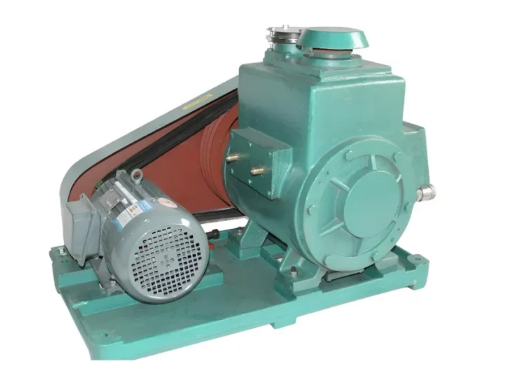
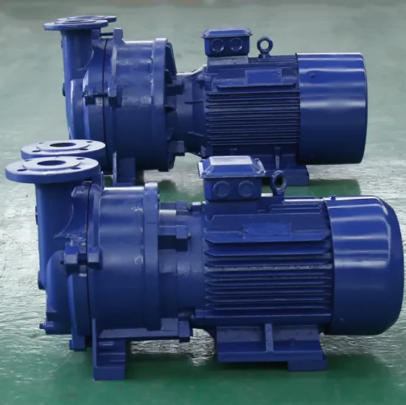
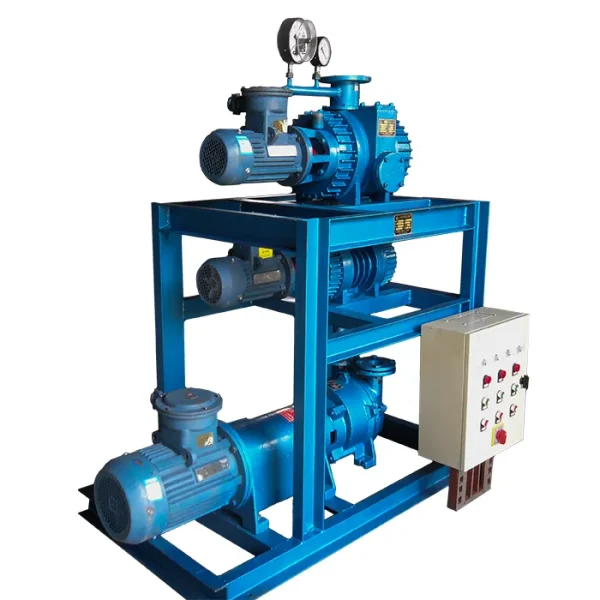
A Liquid Ring Vacuum Pump (LRVP) is a type of positive displacement vacuum equipment that uses a liquid (usually water or oil) as the working medium. It forms a dynamic sealing ring through centrifugal force to compress and evacuate gases. The core functions of a liquid ring vacuum pump include:
- Gas evacuation: Used to discharge gases in scenarios such as chemical reactions and material drying.
- Pressure regulation: Maintains a stable vacuum within a sealed system (typical range: 10–100 mbar absolute pressure).
- Gas-liquid mixed processing: Directly handles complex gases containing liquid droplets, dust, or condensable vapors.
2. Core Components and Their Roles
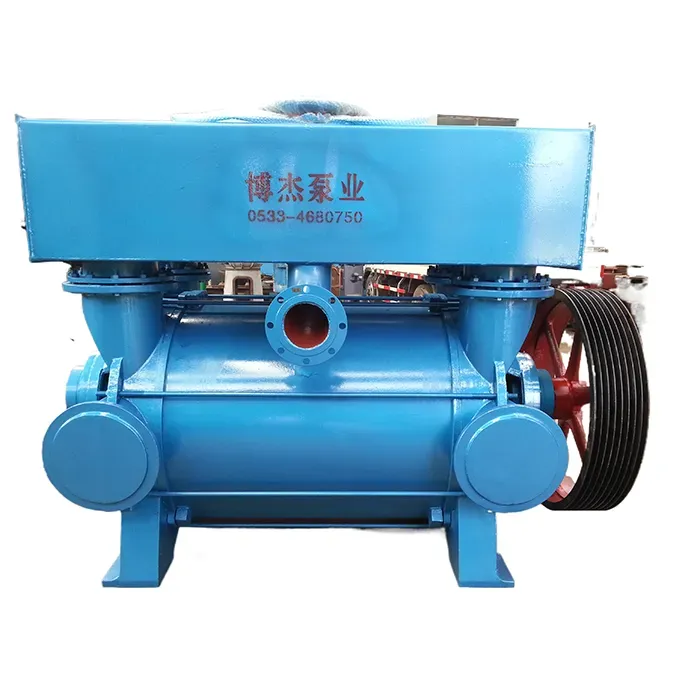
The core components of a liquid ring vacuum pump include the following:
- Pump body: Houses the entire system and supports all internal components.
- Impeller: The rotating element that generates centrifugal force to form the liquid ring and create vacuum.
- Seal liquid: Typically water or oil, used to form the liquid ring and act as the sealing medium.
- Exhaust port: Where the compressed gas is expelled from the pump.

Working Principle and Industry Applications of Liquid Ring Vacuum Pumps
1. Dynamic Liquid Ring Formation Mechanism
Initial Stage:
Upon startup, the sealing liquid is thrown towards the inner wall of the pump body under the influence of centrifugal force, forming an elliptical liquid ring.
The eccentric rotation of the impeller causes periodic expansion of the chamber volume between adjacent blades, creating a negative pressure that draws in gas.
As the chamber volume decreases, the gas is compressed and expelled through the exhaust port. A portion of the sealing liquid is also expelled with the gas, requiring continuous replenishment.
2. Typical Industry Applications
Liquid ring vacuum pumps are commonly used in various industries due to their unique ability to handle gases with moisture, dust, or condensable vapors. Typical applications include:
- Chemical industry: For gas evacuation during chemical reactions and distillation processes.
- Pharmaceutical and food industries: For drying and sterilization processes.
- Pulp and paper industry: Handling gases from the pulping and drying stages.
Technological Advantages and Operational Limitations of Liquid Ring Vacuum Pumps
1. Core Advantages
- Structural Reliability: Liquid ring vacuum pumps have no metal friction parts, resulting in a lower failure rate compared to mechanical rotary vane pumps (MTBF can reach up to 30,000 hours).
- Medium Compatibility: Capable of handling gases with up to 100% humidity and tolerating solid particles smaller than 50μm in diameter.
- Energy Efficiency: More energy-efficient than dry vacuum pumps, saving 15–30% energy (due to the cooling effect of the liquid ring reducing heat loss).
- Noise Control: Operating sound pressure level ≤ 75 dB(A), making them suitable for sensitive environments such as hospitals and laboratories.
2. Main Limitations
- Vacuum Limit: The vacuum level is limited by the vapor pressure of the sealing liquid. The single-stage pump can achieve a maximum vacuum of about 33 mbar (for water-ring systems).
- Temperature Sensitivity: If the ambient temperature is below 5°C, antifreeze must be added, and above 40°C, enhanced cooling systems are required.
- Efficiency Peak: Efficiency is highest in the 30%–80% load range. Below 30% load, the specific power consumption rises significantly.
- Maintenance Cost: Annual sealing liquid consumption is approximately 5–8 times the pump volume, and wastewater treatment increases operational costs.

Engineering Practices for Performance Optimization and Fault Diagnosis
1. Key Performance Factors
Speed Adjustment:
Variable frequency control can optimize the pump speed between 800–3000 rpm. For every 10% increase in speed, the pumping rate increases by 8%, but power consumption rises by 12%.
- Water: Economical but prone to scaling, requiring regular addition of corrosion inhibitors.
- Oil: Enhances vacuum performance to as low as 10 mbar but comes with a risk of combustion.
- Ethylene Glycol Solution: Suitable for low-temperature environments, but its viscosity must be controlled between 40–60 cSt.
Using high-efficiency separators can reduce liquid loss by 40%, improving overall system performance.
2. Typical Fault Tree Analysis (FTA) and Countermeasures
- Sealing Liquid Contamination: Can lead to system inefficiencies or failure. Regular monitoring and filtration are necessary.
- Excessive Wear on Impeller Blades: Results in reduced efficiency and increased energy consumption. Regular inspection and maintenance are crucial.
- Overheating: Can damage the pump and decrease its lifespan. Proper cooling systems should be in place to prevent this issue.
Summary
Liquid ring vacuum pumps offer numerous advantages, including reliable operation, compatibility with various gases, and energy efficiency. However, their limitations—such as vacuum limit, temperature sensitivity, and maintenance costs—must be carefully considered when selecting and operating these pumps. Understanding their working principle, core components, and common application scenarios will help ensure that you choose the right pump for your needs.
|
Sealing Liquid |
Vacuum Performance |
Advantages |
Disadvantages |
|
Water |
Up to 33 mbar |
Economical, readily available |
Prone to scaling, requires inhibitors |
|
Oil |
As low as 10 mbar |
High vacuum performance |
Combustion risk, higher cost |
|
Ethylene Glycol |
Low temperatures |
Suitable for cold environments |
Viscosity control required |
This article provides a detailed explanation of the working principle of liquid ring vacuum pumps and their core components. It also delves into their industry applications, advantages, limitations, and best practices for optimizing their performance. By understanding these factors, users can make better decisions regarding the implementation and maintenance of liquid ring vacuum pumps.