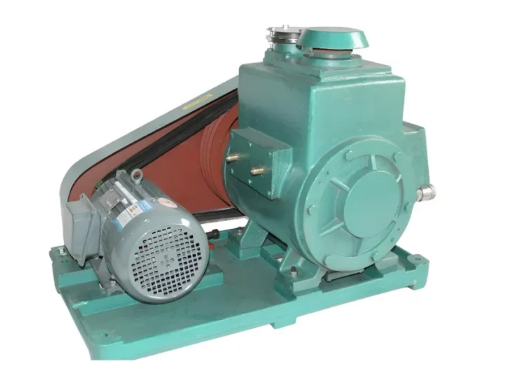
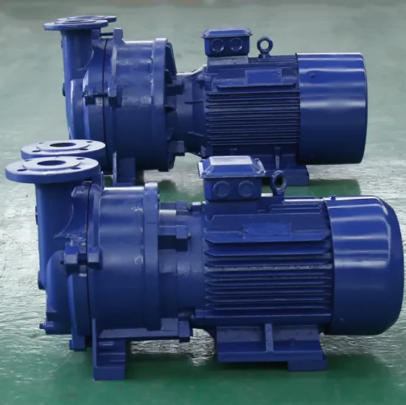
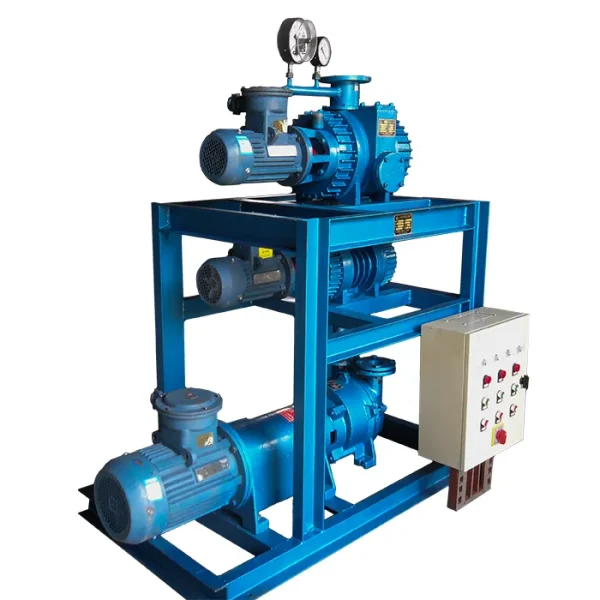
Regular checks and care help your industrial water jet vacuum pump work well. These pumps use a fast jet of fluid. The fluid goes through a small opening. This makes a vacuum by pulling in gases nearby. This process is called the Venturi effect. It helps remove gases and can handle dust or vapors in factories. When you look after your pump, it works better and lasts longer. You can stop problems before they happen. Keep up with regular maintenance to stay ahead.
Industrial Water Jet Vacuum Pump Maintenance

Industrial water jet vacuum pumps use the Venturi effect. They make a vacuum by moving fluid fast through a small opening. These pumps are used in chemical plants and food factories. They also work in manufacturing places. The pumps help remove gases, dust, and vapors from work areas. Keeping your pump in good shape is important. Regular care helps you avoid breakdowns. It saves energy and keeps your equipment working well.
Inspection Schedule
You need to check your pump often. Daily checks help you find problems early. Trained workers should do big repairs when needed. Always follow the manufacturer’s advice for service. The table below shows how often to check your pump:
| Inspection Type | Frequency |
|---|---|
| Daily pre-operational checks | Every day before operation |
| Major servicing operations | As needed, by competent workers |
| Periodic service | As recommended by the manufacturer |
Check your pump after every 3000 hours of use. This helps you find worn parts and other problems. If you use oil-sealed rotary pumps, look at the vanes for cracks. Replace cracked vanes if needed. For diffusion pumps, check for contamination and clean them well. Dry screw and claw pumps need rotor checks. Change worn rotors in pairs.
Tip: Write down your inspections in a log. This helps you see changes and spot patterns.
Cleaning Steps
Cleaning your pump keeps it working well. Dirt and debris can slow down your pump or cause damage. Use cleaning agents that are safe for the environment and your equipment. Jets® Descale Gel works well for removing scale. You can use it on stainless steel, acrylic plastics, and most painted surfaces. Put it right on problem spots for best results. Cleaning often stops scale from building up and helps your pump last longer.
| Feature | Description |
|---|---|
| Environmentally-friendly | Jets® Descale Gel is safe for the environment. |
| Prevents scaling | Regular use helps prevent the formation of scale in water jet vacuum pumps. |
| Safe for various materials | It is safe for use on stainless steel, acrylic plastics, and most painted surfaces. |
| Localized treatment | Can be applied directly to problem areas for effective cleaning. |
| Long-term reliability | Supports the long-term reliability of the entire installation. |
Water quality is important too. Test your water often and remove sediment. Good water chemistry helps your pump last longer. It also means you clean less often.
Parts Check
Some parts of your pump wear out faster than others. You should check these parts often:
- Bearings: These help the pump run smoothly. Worn bearings can cause damage.
- Seals: Seals keep the vacuum tight. Check them for wear and replace if needed.
- Filters: Dirty filters can cause contamination. Check them often and change them when needed.
You can find seal problems by looking for water in the drain container or leak detection block. If you see these signs, you may need new high-pressure water seals.
To test seals and gaskets, do these steps:
- Run a blank-off test. Let the pump reach its lowest pressure.
- Open the gas ballast valve. Watch for pressure changes.
- Isolate the gauge and look for leaks.
Note: Always follow safety rules when checking parts. Keep your work area clean and make sure everything is grounded.
If you skip maintenance, you can get nozzle wear and abrasive feed problems. High-pressure parts can get damaged. These problems cause bad cuts and pump failures. Checking bearings, seals, and filters often helps you avoid these issues.
Regular care also means you use less energy and have fewer breakdowns. You save money and keep your production line working. Training programs like Pump Operation and Maintenance Training or FS Solutions Safety Training teach you how to care for your equipment. Online courses are available for operators and supervisors.
Monitor Performance
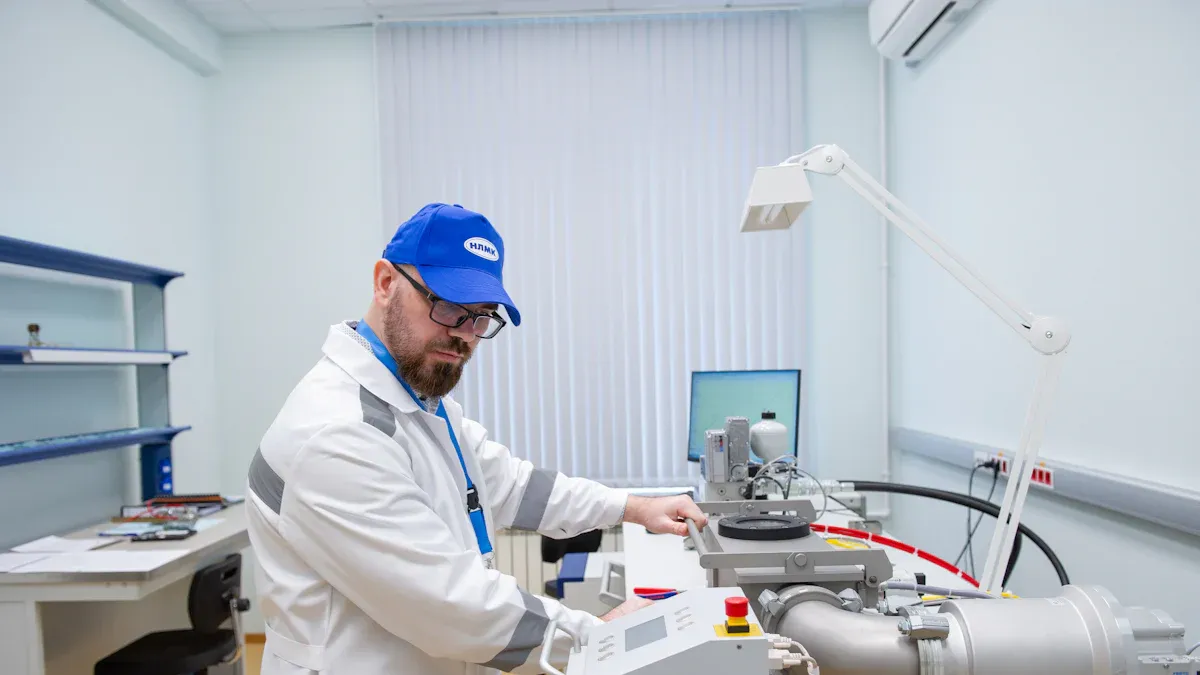
Watching your industrial water jet vacuum pump helps you find problems early. You can use easy checks or special tools to see how your pump works. Good monitoring helps you fix issues before they slow things down or break your pump.
Signs of Inefficiency
You should know when your pump is not working right. Look for these signs:
- Pumping speed goes down
- Strange noises like grinding or screeching
- Vacuum levels change a lot
- Oil leaks or dirty oil
- Pump gets too hot
- Liquid or gas leaks
- Hard to keep the right vacuum
- Energy use goes up
If you see any of these, your pump needs help. You can use performance numbers to see how your pump is doing. Here is a table with important things to watch:
| Performance Metric | Description |
|---|---|
| Mass Flow | Check how much flows and compare it to what the manufacturer says. |
| Pressure Readings | Measure pressure at the suction inlet to see if the pump can handle the job. |
| Water-to-Air Mass Ratio | Watch this ratio to see if the pump can keep up with air leaks. If it is low, there is a problem. |
Tip: Write down your readings in a log. This helps you see changes and spot patterns over time.
Modern systems let you use remote monitoring and data logging. These tools help you track your pump’s health. You can see live data, get alerts, and look at old performance. Here is what these features do:
| Feature | Benefit |
|---|---|
| Remote monitoring | See live pump data from anywhere. |
| Data-logging | Find problems and save energy by looking at old data. |
| Alarm capabilities | Get alerts for big problems so you can act fast. |
| Digital and analogue inputs | Watch simple and detailed data for better tracking. |
| Increased energy efficiency | Spot waste and help your pump use less energy. |
| Proactive maintenance | Catch changes early to avoid expensive repairs. |
| Wet well monitoring | Track pump performance and find problems with operation. |
| Temperature monitoring | Stop overheating by watching motor temperature. |
Common Issues
You may have problems with your industrial water jet vacuum pump. Here are the most common ones:
- Loss of vacuum from leaks or worn seals
- Dirty fluids or gases get inside
- Pump gets too hot from heavy use or wrong operation
- Cavitation happens when pressure drops too low
- Noise and shaking can wear out parts
- Parts wear out over time
- Dirty oil hurts how well the pump works
- Corrosion from harsh fluids
- Seal failure causes leaks
Blockages and leaks can make your pump work worse. Leaks can come from bad seals, cracks, or loose parts. Not enough water from leaks can cost more money. Regular checks and quick fixes help you avoid these problems.
To keep your pump working well, do these steps:
- Check for leaks in the vacuum system.
- Take care of seals and gaskets.
- Clean and change filters often.
- Watch temperatures and keep cooling systems working.
- Look for cavitation and fix pressure problems.
Note: If you see any of these problems, act fast. Quick action keeps your pump working and saves money.
Troubleshoot Problems
Quick Fixes
You can solve many minor problems with your industrial water jet vacuum pump by following simple troubleshooting steps. Start by looking for common issues like low water levels, leaks, or clogged parts. Use the table below to match the problem with the right action:
| Issue | Troubleshooting Step |
|---|---|
| Low well level | Shut off the pump and let the well recover. Restart and check if delivery drops again. If the well is weak, lower the ejector or use a tail pipe. |
| Plugged ejector | Remove the ejector, inspect it, clean it, and put it back. |
| Defective or plugged foot valve/strainer | Pull out the foot valve, inspect it, clean, repair, or replace as needed. |
| Worn or defective pump parts/impeller | Disassemble the pump, inspect all parts, replace worn parts or the whole pump, and clean everything. |
| Leak on discharge side | Install a pressure gauge on the suction side. Repair any pipe leaks you find. |
| Leak in foot valve | Pull the piping and inspect the foot valve. |
| Defective start capacitor | Use an ohmmeter to check the capacitor’s resistance. Repair or replace the faulty part. |
🛠️ Tip: Always turn off the power before you start any repair. This keeps you safe from electrical shock.
If you fix these issues and your pump still does not work right, you may need more help.
When to Call a Professional
Some problems need a certified technician. Trying to fix these on your own can be risky. You might face high voltage, which can cause electrical shock. Lifting heavy equipment without the right tools can lead to injuries. Incorrect repairs can make your pump less efficient or cause it to fail more often.
Call a professional if you notice any of these:
- Electrical motor needs rewinding or has failed
- Shaft misalignment or you need vibration analysis
- Seals or gaskets keep failing
- Pressure or flow stays inconsistent after maintenance
- Pump overheats and you cannot find the cause
- You have tried to fix the problem twice and it still happens
⚠️ Note: Getting expert help keeps your pump safe and working well. You also avoid bigger and more expensive problems later.
You can help your industrial water jet vacuum pump work well by doing regular maintenance. Check the oil often. Look at the parts to see if they are okay. Change the filters when it is time.
- Doing preventive maintenance lets you find problems early. This helps you stop breakdowns before they happen.
- Taking care of your pump often keeps it working well. It also saves you money on fixing things.
- Writing down what you do in a maintenance log helps you plan better. It also helps your pump last longer.
Watch for any changes in how your pump works. If you act early, your equipment stays reliable and your work goes smoothly.