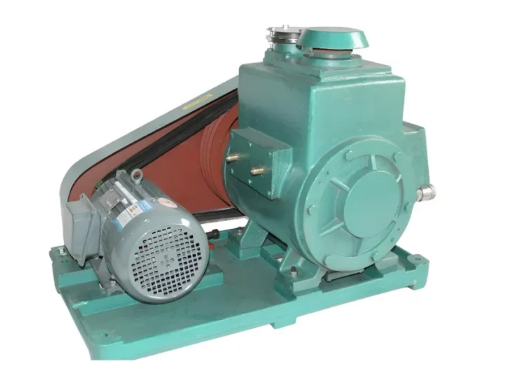
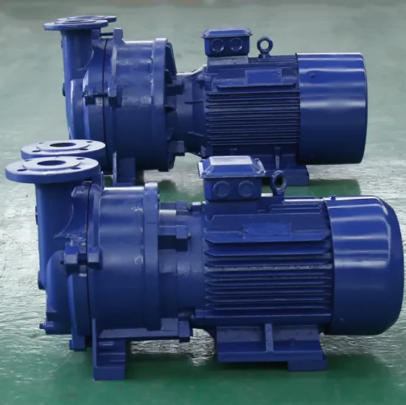
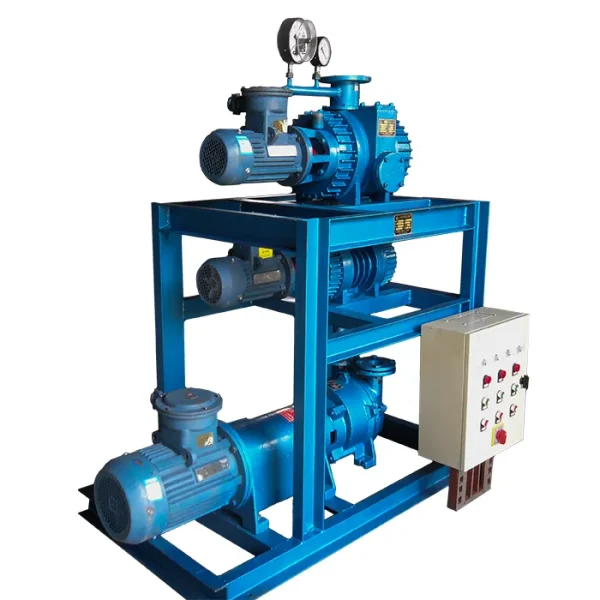
Industrial vacuum pump types are used in many industries. These include packaging and making semiconductors. The most common types are rotary-vane mechanical pumps, dry vacuum pumps, and rough vacuum pumps. The table below shows their market share in 2024:
| Vacuum Pump Type | Market Share (2024) |
|---|---|
| Rotary-vane mechanical pumps | 28% |
| Dry vacuum pumps | 53% |
| Rough vacuum pumps | 46% |
Industrial vacuum pumps fit into four main groups:
- Positive displacement pumps
- Kinetic (momentum transfer) pumps
- Entrapment pumps
- Specialized types
There are different types of industrial vacuum pumps. Each type works in its own way and reaches a certain vacuum level. What the job needs, like how clean it must be or how much energy it uses, also matters. People pick the right vacuum pump by matching its features to what they need for their work.
Industrial Vacuum Pump Types

Industrial vacuum pumps are sorted into a few main groups. Each group works in a special way and is used in certain jobs. The table below lists the main groups, some examples, how they work, and their main features.
| Pump Type Category | Examples | Operating Principle | Key Characteristics and Vacuum Range |
|---|---|---|---|
| Primary (Backing) Pumps | Rotary vane vacuum pump, piston pumps | Positive displacement: trap and compress gas, expel to atmosphere. | Wet type, rough/low vacuum range (>1 Torr). |
| Booster Pumps | Roots vacuum pump, claw positive displacement vacuum pump, screw pump | Positive displacement: transfer gas by mechanical trapping and compression. | Dry type, rough/low vacuum, high flow rates, improve backing pump performance. |
| Secondary (High Vacuum) Pumps | Turbomolecular, vapor diffusion | Kinetic transfer: move gas molecules by high-speed blades or vapor streams. | Dry or wet, high to ultra-high vacuum (down to ~10^-11 Torr). |
| Capture Pumps | Cryopump, ion pump | Entrapment: capture gas molecules on surfaces by freezing or ionization. | Dry, no moving parts, ultra-high vacuum (down to ~10^-12 Torr). |
Positive Displacement Pumps
Positive displacement vacuum pumps trap a set amount of gas. They move the gas from where it comes in to where it goes out. These pumps give a steady flow, even if the pressure changes. They can work with thick or thin liquids and can handle solids or gases mixed in. Many industries use these pumps, like oil and gas, water treatment, food, and chemicals. These pumps are strong and simple, so they last long and are easy to fix. They can start on their own and work with liquids that have gas bubbles. They also measure flow well, which helps when you need to know how much is moving.
Positive displacement vacuum pumps are very important in many factories. They give steady flow and work well in hard jobs.
Claw Positive Displacement Vacuum Pump
A claw positive displacement vacuum pump has two claws that spin inside a case. The claws do not touch each other or the case. This design traps and squeezes gas, moving it through the pump. The pump works dry, so it does not use oil and keeps the gas clean. It can run hot, which helps with water vapor and hot gases. Claw pumps use about 30% less energy than rotary vane vacuum pumps. They save power and work well with dirty or harsh gases. Factories use claw pumps in making things, moving air, and big vacuum systems. Dry claw pumps are liked because they last long and need little care.
Roots Vacuum Pump
The roots vacuum pump, or roots blower, uses two rotors with bumps that spin in different ways. The rotors catch gas and move it from the start to the end. Roots pumps do not squeeze the gas much, so they often work with other pumps to get lower pressure. These pumps move a lot of gas and work best in rough or low vacuum jobs. Roots pumps are used in moving powders, packing food, and freeze drying. They help other pumps work better. Many big vacuum pumps use roots technology for tough jobs.
Rotary Vane Pump
Rotary vane vacuum pumps have a spinning part with sliding vanes inside a round case. The vanes catch gas and move it from the start to the end. These pumps can use oil or run dry. Rotary vane pumps can handle dust, water vapor, and gas mixes. They are used in many places, like chemical plants, medicine, food, packing, and wood shops. Rotary vane pumps come in many sizes and strengths. They are easy to fix but need oil changes and new vanes sometimes. They are not as good as some other pumps and do not work with harsh gases or lots of oxygen.
| Feature/Parameter | Details |
|---|---|
| Efficiency | 30-50% |
| Vacuum Degree | Up to ~130 Pa (oil), 2000-4000 Pa (water) |
| Power Range | 7.5 to 560 kW |
| Advantages | Can pump flammable gases, dust, water vapor; simple design |
| Disadvantages | Oil contamination risk, limited vacuum, not for corrosive gases |
Scroll Pump
Scroll pumps use two spiral shapes. One stays still, and the other moves in a circle. This action traps and squeezes gas. Scroll pumps do not use oil, so they keep the vacuum clean. They are quiet, last long, and need little fixing. Scroll pumps work best with clean, dry gases. They are used in medicine, electronics, and food jobs that need gentle handling. Their small size fits in labs and small work areas. Scroll pumps save energy and last a long time.
Tip: Scroll pumps are great for clean places where oil must not get in.
Kinetic (Momentum Transfer) Pumps
Kinetic vacuum pumps, or momentum transfer pumps, use fast blades or vapor to push gas. These pumps do not trap gas but push it out by giving it speed. Turbomolecular and vapor diffusion pumps are common types. They can make very strong vacuums. Kinetic pumps work best with thin gases and can change how fast they move gas. They are used in making computer chips, science labs, and electronics. Kinetic pumps need another pump, like a rotary vane or scroll pump, to help at higher pressures.
| Pump Type | Main Characteristics | Common Applications |
|---|---|---|
| Turbomolecular | High-speed blades, high vacuum | Semiconductor, research, electronics |
| Vapor Diffusion | Vapor jets, high vacuum | Coating, metallurgy |
Entrapment Pumps
Entrapment pumps, or entrapment vacuum pumps, catch gas on cold or special surfaces. Cryopumps freeze gases to trap them. Ion pumps use electricity to stick ions to metal plates. Entrapment pumps can make very strong vacuums, down to 10^-12 Torr. They have no moving parts and do not use oil, so they keep the vacuum very clean. Entrapment pumps are best for jobs that need super strong vacuum, like space tests, particle labs, and high-tech electronics. They do not move as much gas as other pumps.
Specialized and Hybrid Types
Some vacuum pumps mix features from different groups. Hybrid pumps use two or more types in one system. For example, a hybrid might use a liquid ring pump and a steam ejector together. This makes the system work better and handle more work. Special pumps include molecular drag pumps, turbo/drag hybrid pumps, diffusion pumps, ion pumps, cryogenic pumps, cryosorption pumps, and getter pumps. Each one is made for a special job:
- Molecular drag pumps are good for jobs that start and stop a lot.
- Turbo/drag hybrid pumps mix high vacuum and high pressure.
- Diffusion pumps move light gases fast.
- Ion pumps are clean and do not shake, good for strong vacuum.
- Cryogenic pumps freeze gases, great for making computer chips.
- Cryosorption pumps use cold sieves for rough jobs.
- Getter pumps use chemicals to catch gases for small, cheap systems.
Note: Hybrid and special vacuum pumps help with problems like heat, size limits, and keeping things clean and oil-free.
| Vacuum Pump Type | Typical Applications | Industry Examples | Vacuum Range (in Hg) |
|---|---|---|---|
| Liquid ring pumps | Vacuum thermoforming, resin production, sterilization, meat processing | Plastics, Food & Beverage, Pharmaceutical, Chemical | 18 to 28 |
| Rotary vane vacuum pumps | Thermoforming, pipe manufacturing, meat processing | Plastics, Food & Beverage | 21 to 24 |
| Positive displacement blowers | Pneumatic conveying, vacuum packaging, freeze drying | Food & Beverage, Plastics | 17 to 26 |
| Roots vacuum pump | Vacuum booster systems, freeze drying, packaging | Aerospace, Packaging, Food | N/A |
| Regenerative blowers | Aeration, pneumatic conveying, vacuum lifting, drying, environmental cleanup | Water Treatment, Packaging, Electronics | N/A |
Regenerative blowers, or side channel blowers, use a spinning part that does not touch anything to move air. They are used for adding air, moving things with air, lifting with vacuum, drying, and cleaning up. Regenerative blowers do not use oil and need little fixing. Big models are made for large jobs.
In short, industrial vacuum pumps include positive displacement, kinetic, entrapment, and special or hybrid types. Each type is used for certain jobs and industries, like food, electronics, and space.
How They Work
Operating Principles
Industrial vacuum pumps use three main ways to make a vacuum. Each kind of pump works in its own special way. They help with different jobs in vacuum systems.
- Positive displacement pumps, like rotary vane and screw vacuum pumps, trap air and move it out. They make a vacuum by making the space smaller for air. This pushes the air out of the chamber. These pumps are quiet, work well, and can squeeze air a lot.
- Momentum transfer pumps, such as claw vacuum pumps, use fast parts to push gas out. The moving parts give energy to the gas molecules. This helps move the gas out of the system. These pumps are good for jobs that need strong vacuums and quick pumping.
- Entrapment pumps, like molecular pumps, catch gas on cold or charged surfaces. This helps make a strong vacuum. It is important for careful work in labs and electronics.
- The kind of vacuum pump you pick changes how it works, how much energy it uses, and how loud it is. It also changes if the vacuum gets dirty. For example, screw vacuum pumps keep the vacuum steady and use little energy. Roots vacuum pumps move gas fast and are good for strong vacuums. Liquid ring pumps work with dirty gas and do not need much fixing.
- Picking the right vacuum pump helps make better products and keeps the vacuum clean. It also saves energy and helps the environment.
Tip: Picking the best vacuum pump for your system makes it work better and keeps products safe from dirt.
Key Features
Each vacuum pump has features that help people choose the best one. The table below shows how vacuum pumps and linear air pumps are different:
| Feature | Vacuum Pumps | Linear Air Pumps |
|---|---|---|
| Primary Function | Make suction by taking out air or gases | Give steady, low-pressure air all the time |
| Mechanism of Operation | Use rotary vanes, pistons, or diaphragms to pull out air | Use an electromagnetic diaphragm with electric current |
| Pressure Range | Makes negative pressure (vacuum) | Makes low, positive pressure |
| Flow Characteristics | Flow changes with vacuum level | Gives steady air with no bumps |
| Common Applications | Used in labs, factories, medical suction, and HVAC | Used for pond air, medical devices, and inflating things |
| Efficiency and Noise | Some use more energy; noise depends on design | Usually quiet and saves energy because of few moving parts |
| Cost and Maintenance | Cost more and need fixing, like seals and oil | Cheaper and easy to fix, just change diaphragm or clean filter |
Vacuum pump technology is special because it can make strong vacuums and work with many gases. It helps many industries. Using the right pump helps the vacuum system last longer and need less fixing. It also keeps products safe from dirt. The pump you pick changes how well the system works and how much it costs.
Applications
Industry Uses
Many industries use vacuum pump technology to keep things clean and working well. Vacuum systems take out air and gases. This helps protect products and makes them better. The table below shows how different industries use vacuum pumps:
| Industry | Primary Applications of Industrial Vacuum Pumps |
|---|---|
| Food | Vacuum cooling, freeze drying, vacuum packaging, pneumatic conveying; used in dairy, frozen foods, canned foods, bakery products |
| Electrical | Vacuum degassing of alloys for semiconductor processing and die casting; drying and degassing in battery manufacturing |
| Toy | Plasticizer flow improvement, resin bead expansion, drying, injection molding, cleaning, pressure control |
| Mechanical | Vacuum metallurgy, cleaning, vacuum casting, vacuum infusion, vacuum melting |
| Chemical | Degassing, distillation, desiccation, lyophilisation, concentration, filtering, pharmaceutical processing |
| Metallurgical | Sintering, degassing, thermal treatments, anti-friction treatments |
| Optical | Vacuum processing in ceramics production and other optical manufacturing processes |
| Paper | Paper sizing control, varnishing to avoid contamination |
| Plastic | Plasticization, film extrusion, injection molding, degassing |
| Textile | Drying, degassing, moisture removal, gas extraction, cleaning, filtration, deodorization |
Vacuum pump systems are important for food safety, making electronics, and chemical work. They help keep products clean and make them last longer.
Matching Types to Applications
Picking the right vacuum pump depends on what you need it for. Each industry needs a pump that works best for its job. The table below matches vacuum pump types to their best uses:
| Vacuum Pump Type | Industry Applications | Key Features / Advantages |
|---|---|---|
| Liquid Ring Vacuum Pump | Food processing (including poultry) | Air-purifying, handles powders and liquids, quiet operation |
| Diaphragm Pump | Pharmaceuticals, laboratories | Clean, low contamination, oil-free seal, quiet, reliable |
| Rotary Screw Pump | Electronics manufacturing, clean gas | Continuous operation, smooth motion, adjustable speeds |
| Rocking Piston Pump | Medical, dental, pharmaceutical, electronics | Compact, low noise, suitable for sensitive environments |
Food plants use liquid ring vacuum pump systems for packing and cooling. Drug companies like diaphragm vacuum pump units because they keep things clean and oil-free. Electronics factories use rotary screw vacuum pump models for steady and good work. Medical and dental offices use rocking piston vacuum pump designs because they are quiet and safe.
Tip: Using the right vacuum pump for the job helps the system last longer and keeps products safe.
Choosing the right vacuum pump helps vacuum systems work well in every industry. The best choice supports good quality, safety, and saves time.
Wet vs. Dry Pumps
Differences
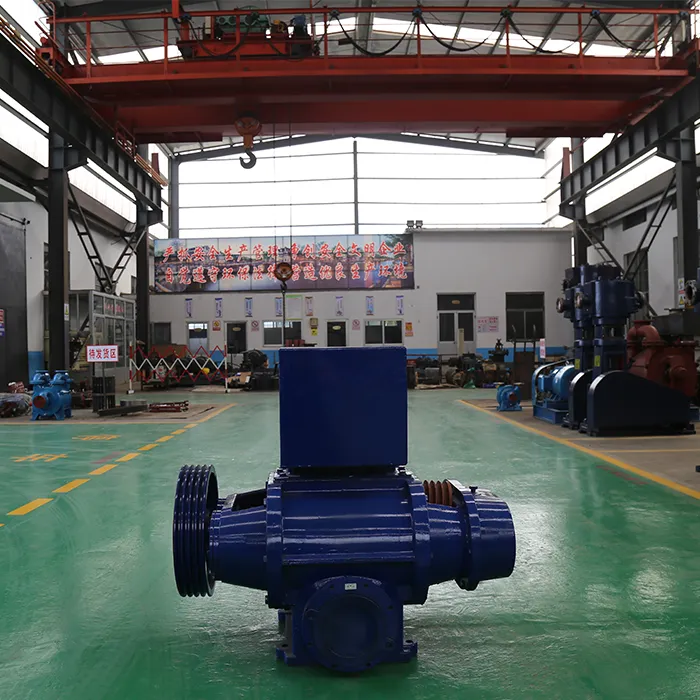
Industrial vacuum pumps are either wet or dry. Each type works in its own way and is good for certain jobs. The table below shows how wet and dry vacuum pumps are not the same:
| Aspect | Wet Vacuum Pumps | Dry Vacuum Pumps |
|---|---|---|
| Operation | Use liquid (usually water) to form a liquid ring inside the pump casing, trapping and compressing gas. | Use mechanical means (screws, claws, scrolls) to trap and compress gas without any liquid. |
| Maintenance | Require regular maintenance to manage the liquid used. | Generally lower maintenance as no liquid is involved. |
| Contamination | Risk of contamination due to liquid mixing with gas. | Provide clean, oil-free vacuum ideal for sensitive processes. |
| Operating Costs | Higher due to water or liquid consumption. | Typically lower as no liquids are required. |
| Efficiency | Effective for handling condensable vapors and large gas volumes. | Efficient for clean, dry vacuum environments. |
| Typical Applications | Chemical processing, food and beverage, pulp and paper industries. | Semiconductor manufacturing, pharmaceuticals, laboratories, plastics. |
Wet vacuum pumps use water or another liquid to help move gas. This way works well when there is a lot of vapor or water in the gas. Dry vacuum pumps use moving parts like screws or claws. They do not need any liquid at all. Dry pumps keep the vacuum very clean. They are best for places where even a little oil or water would cause trouble.
Note: Dry vacuum pumps are used a lot in clean places, like making computer chips or medicine, because they do not add oil or water.
Maintenance
Wet vacuum pumps need care often. Workers must check the liquid, change it, and clean the pump to stop buildup. Sometimes, the liquid can mix with gas and make things dirty. This means more cleaning and higher costs. Dry vacuum pumps need less care. They do not use liquid, so there are no leaks or mixing. Most dry pumps only need simple checks and cleaning of the moving parts.
Switching from wet to dry pumps is about more than just vacuum strength. Companies must think about how the pump handles vapor, if it might get dirty, and how much it costs to run. They also need to check how much power the pump uses and how often it needs fixing. Dry pumps usually save money over time. They use less power and need less care. This helps keep work going and makes the place cleaner.
Tip: Picking the right pump can save money, stop delays, and make products better. Always choose the pump that fits the job for the best results.
Choosing the Right Pump
Selection Factors
To pick the right vacuum pump, you must know the job. Every industry has its own needs. Some places need oil-free pumps for clean rooms. Other jobs need pumps that can handle wet or dirty gases. There are different vacuum pumps: positive displacement, kinetic, and entrapment. Each kind is best for certain jobs.
Vacuum level is very important. Some jobs need a rough vacuum. Others need a high or ultra-high vacuum. How well the pump works also matters. Pumps that use less power and need less fixing save money. Cleanliness is key in food and drug work. Dry pumps help keep products safe from oil or water. Cost is not just the price of the pump. It also means how much it costs to run and fix.
The pump must work with other equipment. It should be easy to set up and use. Some rules say pumps must save energy or be quiet.
Tip: Always pick the vacuum pump type that fits the job for the best results.
Checklist
A simple checklist helps people pick the right vacuum pump for their job:
| Checklist Item | Description |
|---|---|
| Application Requirements | Know what your industry needs, like oil-free for medicine or clean for food. |
| Vacuum Level Requirements | Match the vacuum level to the job: low, medium, high, or ultra-high. |
| Operating Costs & Efficiency | Think about power use, oil or dry pumps, and how often you must fix it to save money. |
| Environmental Considerations | Pick pumps that are good for the earth: dry, save energy, and are quiet. |
| Compatibility with Systems | Make sure the pump fits, is easy to set up, and works with your other machines. |
- Decide what the pump will do, like moving gas all the time or emptying a chamber fast. 2. Find out how much gas the pump must move. 3. Know what vacuum level you need: rough, medium, high, or ultra-high. 4. Check if you need the pump to stay clean or if there are things that could make it dirty, so you can pick the right type and filter.
Picking from many vacuum pumps helps the system do its job. Good choices make vacuum systems work well and last a long time.
Industrial vacuum pumps come in four main types: positive displacement, kinetic, entrapment, and special kinds. Each type is best for certain jobs and industries. Picking the right pump depends on how strong the vacuum must be, how much gas it moves, if it can handle certain chemicals, and how much care it needs.
- Rotary vane pumps work well but need oil changes.
- Diaphragm pumps are good for chemicals and dry jobs.
- Liquid ring pumps can move wet gases but use more power.
If the job is tricky, talk to process engineers. They can help you pick the best pump for your work and make sure it works well for a long time.