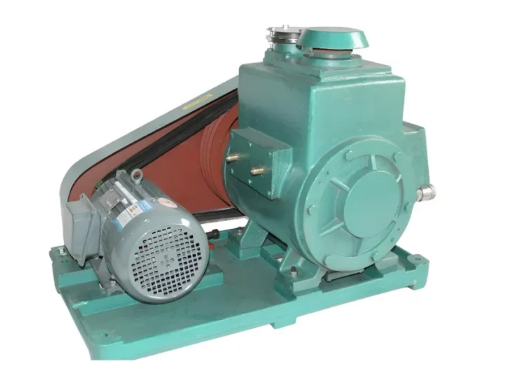
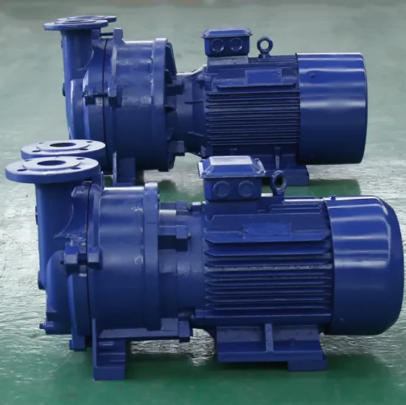
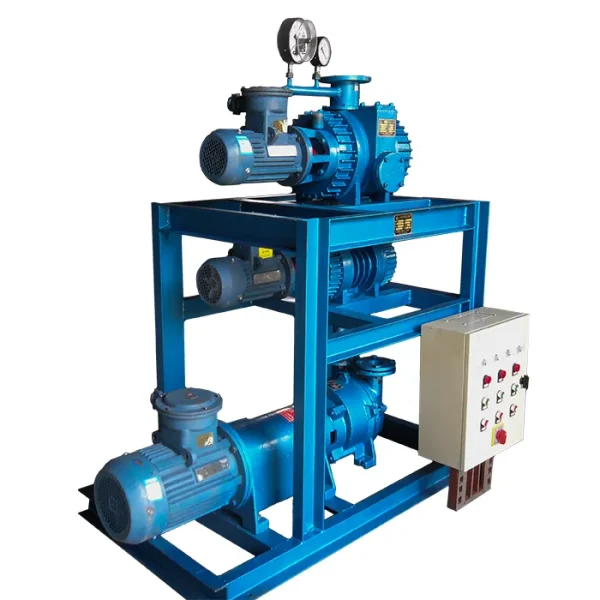
A roots vacuum pump takes air or gas out of a space to make a vacuum. This pump helps many industries keep their machines clean and free from dirt. Many factories and labs use roots vacuum pumps because they work fast and can move a lot of air. The world market for these pumps was about USD 1.5 billion in 2024. This shows strong growth as more companies pick this technology for their needs.
What Is a Roots Vacuum Pump?
Basic Structure
A roots vacuum pump has two special rotors called impellers. These impellers spin inside a closed chamber. They turn in opposite ways but never touch each other or the chamber walls. This setup lets the pump move lots of air or gas fast. Experts say a roots vacuum pump is a rotary plunger type pump. People also call it a lobe blower pump. The pump body does not use oil. This keeps the air clean and stops contamination.
The main parts of a roots vacuum pump are:
- Two matching rotors (impellers)
- A strong, sealed housing
- Shafts and gears that keep the rotors working together
The table below lists the main parts and what they do:
| Component | Function |
|---|---|
| Rotors (Impellers) | Catch and move gas through the pump |
| Housing | Seals the pump and holds the rotors |
| Shafts & Gears | Make sure the rotors move together smoothly |
This simple design makes the roots vacuum pump easy to use and fix.
Key Features
A roots vacuum pump is different from other pumps because of its special features:
- The rotors do not touch each other or the pump body. This means there is no rubbing inside the pump. The pump does not need oil, so it stays clean.
- The pump works without inside compression or exhaust valves. It can handle lots of water vapor if it has the right backing pump.
- It works well over a wide pressure range, from about 1,300 Pa down to 1.3 Pa. The pump can react fast when gas is released.
- The pump is small and light. It runs quietly and does not shake much. It starts up fast and works smoothly.
- A little dust in the gas does not hurt the pump.
- The rotors move together to catch and move gas. This is not like other vacuum pumps that use sliding parts or oil seals.
- The rotor surfaces move almost as fast as gas molecules. This helps the pump move gas quickly and keeps the speed steady.
Tip: Many new roots vacuum pumps use better materials and coatings. These changes help the pumps last longer and stop rust. Some pumps have smart controls that watch how they work and tell you when to fix them. Energy-saving designs, like variable speed drives, help use less power and make less noise.
A roots vacuum pump is great for moving lots of gas in a clean way. Its dry, oil-free design makes it a favorite for many industries.
How It Works
Operating Principle
A roots vacuum pump moves gas by using two rotors shaped like lobes. These rotors spin in opposite directions inside the pump. As they turn, they trap gas between the lobes and the pump casing. The trapped gas moves from the inlet side to the outlet side. This action creates a vacuum by pushing the gas out of the chamber.
- The rotors never touch each other or the pump walls, which keeps the pump oil-free.
- The pump works quietly and does not shake much.
- The design allows the pump to move gas quickly and reach low pressures.
- The main job of the pump is to trap and move gas using the rotating lobes.
This simple method makes the roots vacuum pump efficient for many uses. The pump can run for long periods without much noise or vibration.
Note: The oil-free design helps keep the air clean and prevents contamination. This makes the pump a good choice for places that need a clean vacuum.
Multistage and Booster Use
Many vacuum systems need to reach very low pressures. A single stage cannot always do this. Engineers often use several roots vacuum pumps in a row, called multistage pumps. Each stage has its own set of rotors. The gas moves from one stage to the next, and each stage compresses the gas more.
- Multistage pumps have several sets of lobed rotors on a shared shaft.
- The output from one stage becomes the input for the next stage.
- There are no valves between stages, so the gas moves smoothly.
- This setup lets the pump work from normal air pressure down to very low pressures.
- Multistage pumps can work alone or with other pumps as boosters.
- The pumps stay dry and sealed, which keeps the vacuum clean.
- These pumps are small, quiet, and strong. They work well in clean rooms and labs.
When used as boosters, roots vacuum pumps can increase the vacuum level by more than 20 times. For example, if the exhaust pressure is between 10 and 2000 Pa, the pump can boost the pressure by a factor greater than 20. This big boost helps the system reach much lower pressures than a single pump could achieve. The exact boost depends on the pump design and how it is used, but most systems see a boost ratio over 20.
Tip: Using roots vacuum pumps as boosters helps save energy and makes the vacuum system work faster.
Pros and Cons
Advantages
Roots vacuum pumps offer several important benefits for users in many fields.
- These pumps move gas quickly and keep a steady speed, even when the pressure changes.
- The design uses dry, oil-free parts, so the pump does not contaminate the air or gas.
- The pump runs quietly and does not shake much, making it suitable for labs and clean rooms.
- Maintenance is simple because the rotors do not touch each other or the pump body.
- Air-cooled models can start working right away at normal air pressure. They do not need another pump to help them start.
- The cooling gas keeps the rotors from getting too hot. This allows the pump to work well at high pressure.
- Air-cooled roots pumps save energy, especially when working at high pressure. They use less power than many other types of vacuum pumps in these conditions.
- The pump can handle a little dust or water vapor without damage.
Note: Many industries choose these pumps because they work fast, stay clean, and save energy.
Limitations
While roots vacuum pumps have many strengths, they also have some limits.
- The pump cannot reach the deepest vacuum levels by itself. It often needs help from other pumps to get very low pressures.
- If the gas contains a lot of liquid or sticky particles, the pump may not work well or could get damaged.
- The pump works best in a certain pressure range. Outside this range, the speed drops, and the pump becomes less effective.
- Some models may cost more at first than simple vacuum pumps.
- The pump needs a good seal to keep air from leaking in. If the seal fails, the vacuum level drops quickly.
Tip: Users should check the pump’s limits before choosing it for their system. Regular checks and cleaning help the pump last longer.
Roots Vacuum Pump Applications
Industrial Uses
Many factories use roots vacuum pumps to keep things clean and safe. Steel plants use these pumps for vacuum melting. This process takes out bad gases from melted metal. The steel becomes stronger and cleaner. Electronics factories need roots vacuum pumps to make computer chips. These pumps help make a space with no dust. This is important for building tiny circuits.
Pharmaceutical companies use roots vacuum pumps in clean rooms. These pumps help keep the air free from germs and dust. Food packaging plants also use these pumps. They take air out of packages so food stays fresh longer. Some factories need dry vacuum systems. Roots vacuum pumps work well here because they do not use oil. This keeps products clean and safe.
Tip: Many industries use roots vacuum pumps as boosters. These pumps help reach lower pressures faster and save energy.
Scientific and Other Fields
Scientists use roots vacuum pumps in research labs. These pumps help make a vacuum for experiments. For example, they are used in electron microscopes. These tools need a very clean and empty space to see small things. Space agencies use roots vacuum pumps to test satellites and other equipment. The pumps make a space like outer space. This lets engineers see how things work in a vacuum.
Hospitals use roots vacuum pumps in some medical devices. These pumps help keep the air clean and safe for patients. Museums use them to protect old books and art. The pumps take out air and moisture, which helps stop damage.
Roots vacuum pumps are important in many fields. They help reach low or very low vacuum levels. This makes them useful for both industry and science.
Selection and Tips
Choosing the Right Pump
Selecting the best roots vacuum pump depends on the needs of the application. Users should look at several important factors to make a good choice:
- Required vacuum level and pumping speed. The pump must meet the process demands.
- Pumpdown time. A faster pump can help reduce production delays.
- Process gas flow. The pump should handle the amount of gas and keep the right pressure.
- Impact on the process. Consider oil back streaming, vibrations, noise, heat, and energy use.
- Pump combinations. Many systems use roots pumps with rotary vane pumps to boost speed. This setup may cause oil back streaming.
- Oil-sealed or oil-free design. Oil-free pumps work better for clean or sensitive processes.
- Cost and maintenance. Users should think about both the price and the service needs.
- Match the pump to the vacuum level and process. The right pump avoids damage and works efficiently.
Tip: Always check if the pump fits with the system and process. A good match helps the pump last longer and work better.
Basic Operation and Maintenance
Proper care keeps a roots vacuum pump running well. Regular checks and cleaning help prevent problems. Here are some simple steps for safe operation and routine maintenance:
- Inspect bearings often. Worn bearings can cause noise, heat, and misalignment.
- Clean rotors and inside parts every 3,000 hours. Replace worn parts in sets.
- Change oil at the right time. Check for dirty or wet oil.
- Watch oil levels through the site glass. Keep oil at the correct level.
- Check timing gears and keep them oiled to stop overheating.
- Write down all maintenance work. Record hours, repairs, and part changes.
- Monitor pump performance. Watch vacuum levels and pumpdown times to spot issues early.
Note: Regular maintenance helps avoid breakdowns and keeps the pump working at its best.
A roots vacuum pump works quickly and keeps things clean. It is reliable for many different jobs. If you are new, think about what your process needs. Also, know what your system can and cannot do before picking a pump. Talking to vacuum experts can help in many ways:
- Experts give online tools that guide you step by step. These tools help you pick and plan your vacuum system.
- They make hard problems, like pipeline losses, easier to understand. They also give tips for special jobs.
- Getting help from experts helps you learn faster. It also helps you not make expensive mistakes.
You can read more in guides or ask vacuum experts for help.